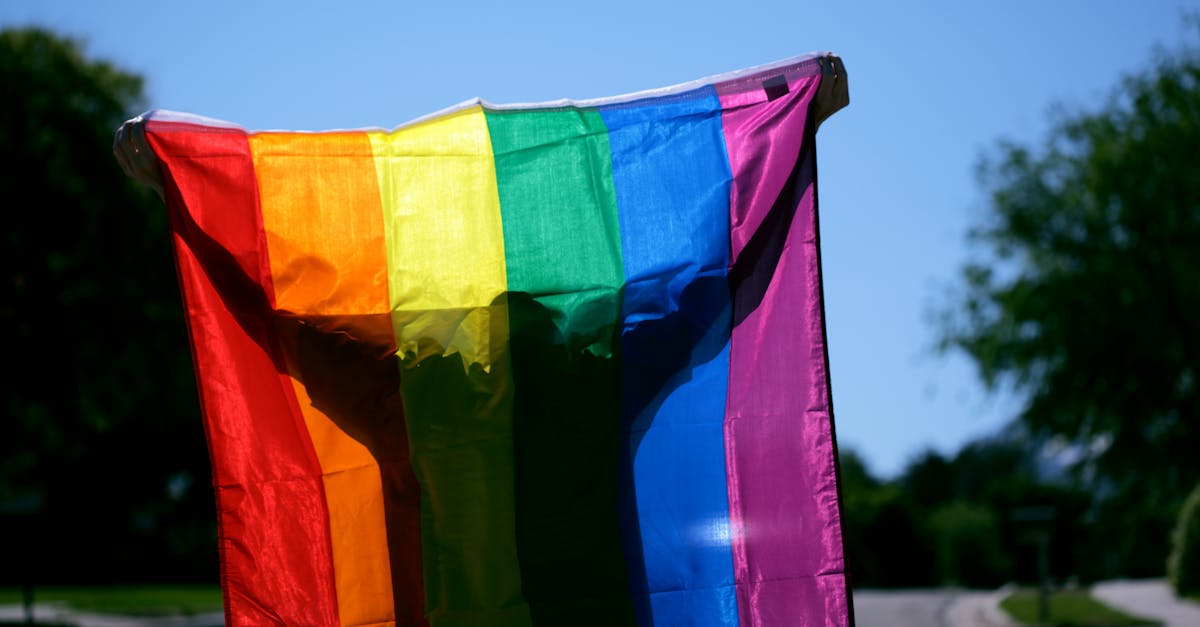
Philz Pride Flag Controversy Sparks Protest
The recent decision by Philz Coffee to remove Pride flags from its cafés has sparked a wave of protests in San Francisco, with many community members expressing outrage and disappointment over the company's move. The incident has raised questions about corporate social responsibility and the role of businesses in promoting inclusivity and diversity. Philz Coffee, known for its unique coffee blends and cozy atmosphere, has been a staple in the San Francisco community for years, and its decision to remove the Pride flags has been seen as a betrayal of the values of acceptance and inclusivity that the company had previously embraced.
The protests, which took place outside Philz Coffee's headquarters, drew a large crowd of community members, activists, and allies, all of whom were united in their opposition to the company's decision. The protesters argued that the removal of the Pride flags was a slap in the face to the LGBTQ+ community, and that it sent a negative message about the company's commitment to diversity and inclusivity. Many of the protesters carried signs and banners, and some even brought their own Pride flags to wave in defiance of the company's decision.
The controversy surrounding Philz Coffee's decision to remove the Pride flags is not an isolated incident, but rather part of a larger trend of companies grappling with issues of diversity and inclusivity. Many companies have faced backlash in recent years for their handling of social issues, and the Philz Coffee incident is just the latest example of the challenges that businesses face in navigating complex social issues. In order to understand the context of the controversy, it is essential to examine the background of the incident and the factors that led to the company's decision.
According to reports, Philz Coffee's decision to remove the Pride flags was made in response to concerns from some customers who felt that the flags were too political or divisive. However, this explanation has been met with skepticism by many in the community, who argue that the company's decision was motivated by a desire to avoid controversy rather than a genuine concern for customer feedback. The incident has highlighted the importance of companies engaging with their customers and the wider community in a transparent and authentic way, and the need for businesses to take a principled stance on social issues rather than trying to appease all parties.
The Philz Coffee controversy has also sparked a wider debate about the role of businesses in promoting social justice and inclusivity. Many companies have made public commitments to diversity and inclusion, but the incident has raised questions about the extent to which these commitments are genuinely upheld. In order to promote a culture of inclusivity and respect, companies must be willing to take a stand on social issues and to engage with their customers and the wider community in a meaningful way. This can involve partnering with community organizations and advocacy groups to promote social justice and inclusivity, as well as providing training and education to employees on diversity and inclusion.
Some of the key takeaways from the Philz Coffee controversy include:
- The importance of companies engaging with their customers and the wider community in a transparent and authentic way
- The need for businesses to take a principled stance on social issues rather than trying to appease all parties
- The importance of promoting a culture of inclusivity and respect within companies
- The need for companies to partner with community organizations and advocacy groups to promote social justice and inclusivity
In conclusion, the Philz Coffee controversy has highlighted the importance of corporate social responsibility and the role of businesses in promoting inclusivity and diversity. The incident has sparked a wider debate about the role of companies in promoting social justice and inclusivity, and has raised questions about the extent to which companies are genuinely committed to these values. As the debate continues, it is essential for companies to engage with their customers and the wider community in a transparent and authentic way, and to take a principled stance on social issues rather than trying to appease all parties.