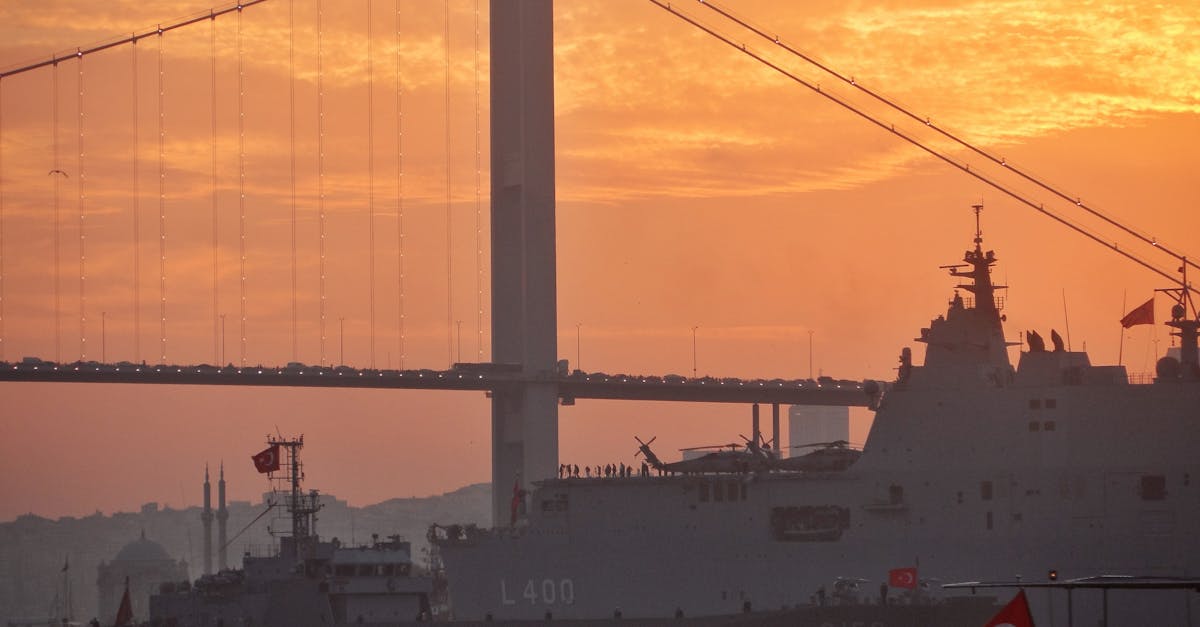
US Navy to Blockade Strait of Hormuz
The United States has announced plans to blockade the Strait of Hormuz, a vital waterway connecting the Persian Gulf to the Arabian Sea, in response to Iran's increasing influence in the region. This move is a significant escalation of US-Iran tensions, with potential global implications.
President Trump stated that the US Navy will begin intercepting vessels that have paid tolls to Iran, effectively blocking ships from entering or exiting the strait. This decision has sparked concerns among international leaders, who fear that such actions could lead to a significant increase in global oil prices and potentially even conflict.
The Strait of Hormuz is a critical waterway, with nearly a third of the world's oil shipments passing through it. Iran has long been accused of attempting to exert control over the strait, and the US has been working to counter these efforts. The latest move by the US is seen as a direct challenge to Iran's authority in the region.
The US has been increasing its military presence in the region in recent months, with a number of warships and aircraft deployed to the area. This buildup has been accompanied by a series of aggressive statements from US leaders, who have accused Iran of supporting terrorism and destabilizing the region.
Iran has responded to the US move by vowing to continue its efforts to defend its interests in the region. The Iranian government has stated that it will not be intimidated by US aggression and will take all necessary steps to protect its sovereignty.
The international community has expressed concern over the escalating tensions between the US and Iran. The United Nations has called for calm and restraint, urging both sides to engage in diplomatic efforts to resolve their differences peacefully.
The US move to blockade the Strait of Hormuz has significant implications for the global economy. With nearly a third of the world's oil shipments passing through the strait, any disruption to traffic could lead to a significant increase in oil prices. This, in turn, could have a major impact on the global economy, with potential consequences for inflation, trade, and economic growth.
The situation in the Strait of Hormuz is complex and multifaceted, with a number of different factors at play. The US and Iran have a long history of tension, and the latest move by the US is likely to escalate this further. As the situation continues to unfold, it is likely that the international community will be watching with bated breath, hoping for a peaceful resolution to the crisis.
Some of the key issues at play in the Strait of Hormuz include:
- The US-Iran rivalry, which has been escalating in recent months
- The importance of the strait as a vital waterway for global oil shipments
- The potential consequences of a blockade for the global economy
- The role of the international community in resolving the crisis peacefully
As the situation in the Strait of Hormuz continues to unfold, it is clear that the stakes are high. The US and Iran are engaged in a high-stakes game of cat and mouse, with the potential consequences of their actions being felt around the world. It remains to be seen how the situation will play out, but one thing is certain: the world will be watching with great interest.