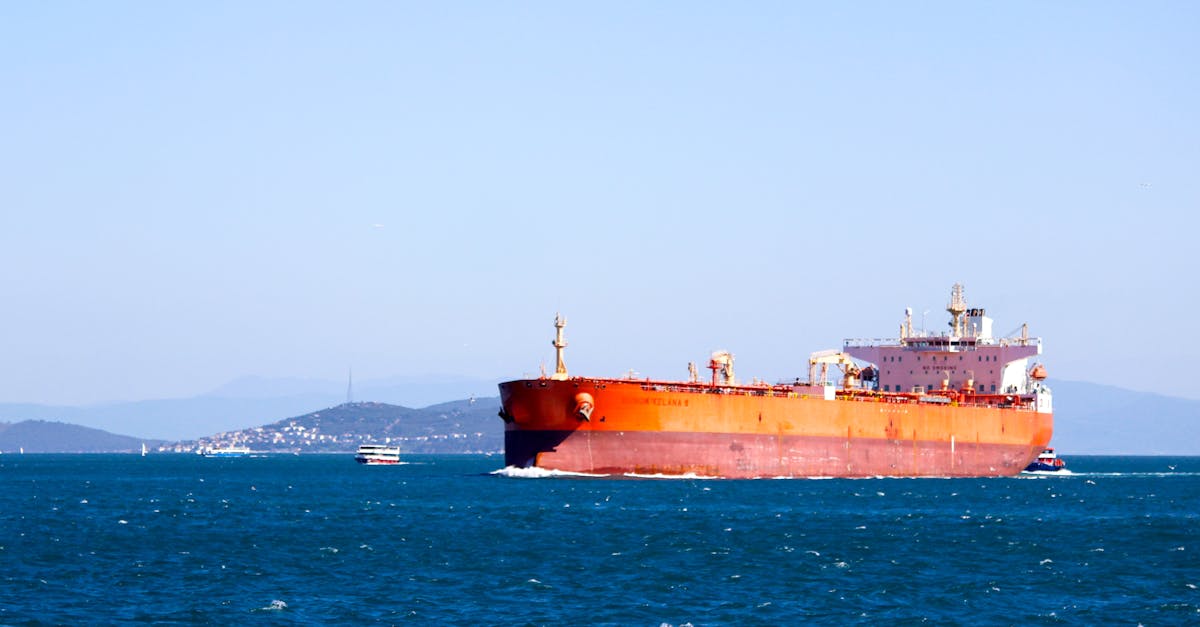
Iran Opens Strait of Hormuz Amid Israel-Lebanon Ceasefire
The Strait of Hormuz, a critical waterway connecting the Persian Gulf to the Gulf of Oman, has been declared completely open to all ships by Iran, according to recent announcements. This move comes amid the ongoing ceasefire between Israel and Lebanon, and has been welcomed by President Trump, who views it as a positive step towards regional stability.
The Strait of Hormuz is a vital shipping lane, with approximately 20% of the world's oil passing through it. Any disruptions to traffic in the strait can have significant impacts on global energy markets and the economy. In recent years, tensions between Iran and the United States, as well as other regional players, have raised concerns about the security of the strait.
Iran's announcement has been seen as a gesture of goodwill, and a sign that the country is committed to maintaining regional stability. The move is also likely to be seen as a response to international pressure, particularly from the United States, which has been seeking to reduce tensions in the region. President Trump has been a key player in efforts to broker a peace deal between Israel and Lebanon, and the opening of the Strait of Hormuz is likely to be viewed as a significant achievement in this regard.
The implications of Iran's announcement are far-reaching. For global shipping companies, the opening of the Strait of Hormuz provides a significant boost to trade and commerce. It also reduces the risk of disruptions to oil supplies, which can have significant impacts on the global economy. Additionally, the move is likely to improve relations between Iran and other regional players, including the United States, and could potentially pave the way for further diplomatic engagement.
There are, however, also potential risks associated with the opening of the Strait of Hormuz. Some analysts have raised concerns about the potential for increased Iranian influence in the region, and the impact that this could have on regional stability. Others have pointed to the potential for the move to be seen as a sign of weakness by Iran's regional rivals, which could potentially lead to increased tensions in the future.
Despite these risks, the opening of the Strait of Hormuz is likely to be viewed as a positive development by most observers. The move has the potential to reduce tensions in the region, and to improve relations between Iran and other regional players. It also provides a significant boost to global trade and commerce, and reduces the risk of disruptions to oil supplies.
In terms of the ceasefire between Israel and Lebanon, the opening of the Strait of Hormuz is likely to be seen as a significant factor in maintaining the peace. The move provides a tangible benefit to both parties, and demonstrates a commitment to regional stability. It also reduces the risk of tensions between Israel and Lebanon escalating into conflict, which could have significant implications for the region as a whole.
The international community has welcomed Iran's announcement, with many countries viewing it as a positive step towards regional stability. The United Nations has praised the move, and has called on all parties to continue working towards a lasting peace. The European Union has also welcomed the announcement, and has offered to provide support to efforts to maintain the ceasefire between Israel and Lebanon.
In conclusion, the opening of the Strait of Hormuz is a significant development with far-reaching implications for the region and the world. The move has the potential to reduce tensions, improve relations between regional players, and provide a significant boost to global trade and commerce. As the situation continues to evolve, it will be important to monitor developments closely, and to provide support to efforts to maintain the peace and promote regional stability.
Some of the key points to consider in this development include:
- The Strait of Hormuz is a critical waterway, with approximately 20% of the world's oil passing through it.
- Iran's announcement has been welcomed by President Trump, who views it as a positive step towards regional stability.
- The move has significant implications for global shipping and trade, and reduces the risk of disruptions to oil supplies.
- There are potential risks associated with the opening of the Strait of Hormuz, including the potential for increased Iranian influence in the region.
- The move is likely to improve relations between Iran and other regional players, and could potentially pave the way for further diplomatic engagement.