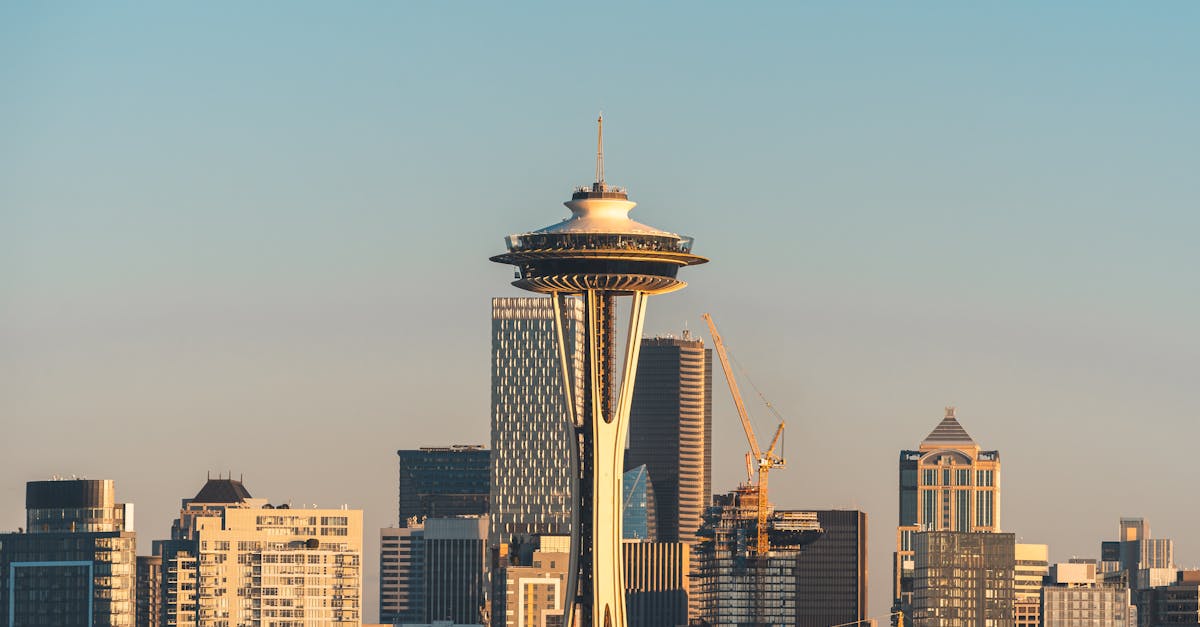
Seattle Weighs Data Center Expansion
Seattle, known for its thriving tech industry, is now at a crossroads as it considers the prospect of building large data centers within its city limits. Mayor Katie Wilson has responded to recent pitches from tech giants, stating that the city has not authorized any new facilities and will explore a potential moratorium on their construction.
The proposal to build large data centers in Seattle has sparked a heated debate among city officials, residents, and environmental groups. Proponents of the plan argue that it would bring in significant revenue and create jobs, while opponents cite concerns over the massive energy consumption and potential environmental impact of such facilities.
Background and Context
Data centers are essentially large warehouses that house servers and store vast amounts of data for companies, governments, and individuals. They require enormous amounts of energy to power and cool the servers, which can lead to increased greenhouse gas emissions and strain on the local power grid. As the world's demand for data storage and processing continues to grow, the need for data centers has become more pressing, with many cities vying to attract these facilities and the economic benefits they bring.
However, the environmental costs of data centers cannot be ignored. A single data center can consume as much energy as a small town, and the production of the energy required to power these facilities often relies on fossil fuels, contributing to climate change. Furthermore, the e-waste generated by the disposal of outdated servers and other equipment poses a significant environmental hazard.
Mayor Wilson's Response
Mayor Katie Wilson's response to the proposal reflects the city's commitment to sustainability and environmental protection. By exploring a potential moratorium on new data centers, the city is taking a cautious approach to balancing economic growth with environmental concerns. This move is seen as a positive step towards addressing the city's climate goals and reducing its carbon footprint.
The city's decision to explore a moratorium is also influenced by the fact that Seattle is already home to several large data centers, including those operated by Amazon and Microsoft. These facilities have contributed significantly to the city's economy, but they also consume a substantial amount of energy and have raised concerns among residents about the impact on the local environment.
Analysis and Implications
The potential moratorium on data centers in Seattle has significant implications for the tech industry and the city's economy. While it may deter some companies from investing in the city, it could also encourage the development of more sustainable and environmentally friendly data centers. The city's focus on sustainability could become a major selling point, attracting companies that prioritize environmental responsibility and social accountability.
Moreover, the city's decision could set a precedent for other cities to follow. As the world grapples with the challenges of climate change, cities are under increasing pressure to reduce their carbon footprint and transition to renewable energy sources. By taking a proactive approach to regulating data centers, Seattle is demonstrating its commitment to environmental protection and sustainability.
Possible Solutions
So, what are the possible solutions to the data center dilemma? One approach could be to encourage the development of more sustainable data centers that rely on renewable energy sources, such as solar or wind power. Another option could be to implement more efficient cooling systems and reduce energy consumption through innovative technologies.
Some companies are already exploring innovative solutions, such as using immersion cooling systems that submerge servers in a non-conductive liquid to reduce energy consumption. Others are investing in renewable energy credits to offset their carbon emissions. These solutions could help mitigate the environmental impact of data centers and make them more sustainable in the long term.
Conclusion
In conclusion, the debate over data centers in Seattle highlights the complex trade-offs between economic growth, environmental protection, and social responsibility. As the city navigates this challenging issue, it is essential to consider the long-term implications of its decisions and prioritize sustainability and environmental protection. By exploring a potential moratorium on new data centers, Seattle is taking a crucial step towards balancing its economic and environmental goals, and setting an example for other cities to follow.