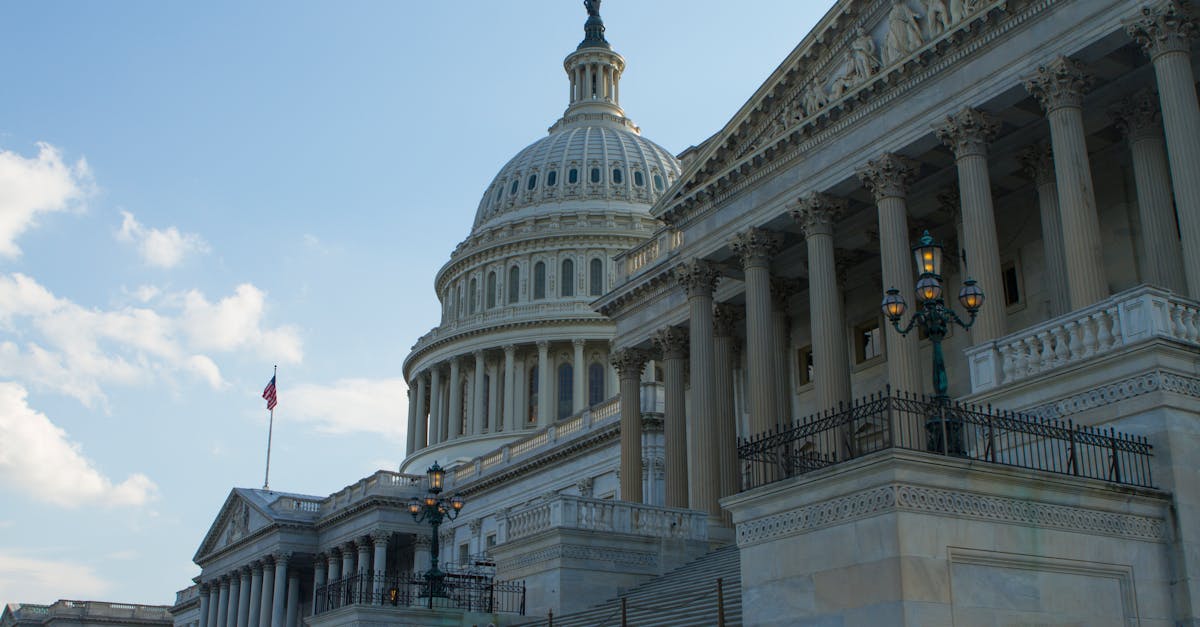
Warsh Faces Senate Scrutiny
The Senate Banking Committee is set to grill Kevin Warsh, President Trump's nominee for Federal Reserve Chair, in a highly anticipated confirmation hearing. Warsh, a former Fed governor, is expected to face tough questions from lawmakers on both sides of the aisle.
As a veteran of the Federal Reserve, Warsh has a deep understanding of the central bank's inner workings. However, his nomination has sparked concerns among some Democrats, who worry that he may prioritize Wall Street interests over those of everyday Americans. Warsh's track record on monetary policy will likely come under scrutiny, particularly his views on interest rates and inflation.
The confirmation hearing is a critical step in the nomination process, and Warsh will need to convince lawmakers that he has the expertise and vision to lead the Federal Reserve. The stakes are high, with the Fed playing a crucial role in shaping the US economy. A strong performance by Warsh could pave the way for his confirmation, while a poor showing could raise doubts about his ability to lead the central bank.
Some of the key issues that Warsh is likely to face questions on include
- his views on monetary policy and interest rates
- his approach to regulating the financial sector
- his stance on issues such as income inequality and economic growth
Warsh's nomination has also sparked debate about the future direction of the Federal Reserve. Some analysts believe that he may take a more hawkish approach to monetary policy, which could lead to higher interest rates and a stronger dollar. Others argue that he may prioritize financial stability and take a more cautious approach to regulating the financial sector.
As the hearing gets underway, all eyes will be on Warsh as he seeks to convince lawmakers that he is the right person for the job. With the US economy continuing to grow and the Fed playing a critical role in shaping monetary policy, the stakes are high. A successful nomination process could provide a much-needed boost to the Trump administration, while a failed nomination could raise questions about the president's ability to fill key positions.