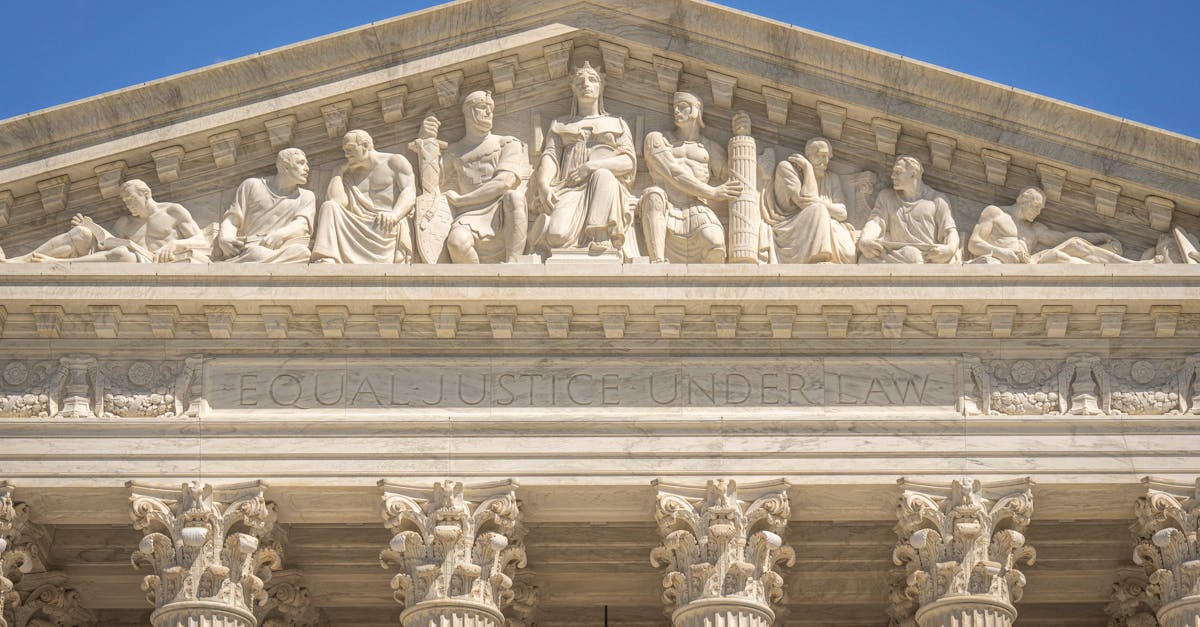
Supreme Court Weighs In On Weed Killer Lawsuits
The Supreme Court has agreed to hear a case that could potentially block thousands of lawsuits alleging that the popular weed killer Roundup causes cancer. The case, which is one of the largest waves of product liability litigation in U.S. history, has sparked a heated debate over the responsibility of manufacturers to ensure the safety of their products.
Bayer, the manufacturer of Roundup, has argued that the lawsuits are based on flawed science and that the product is safe when used as directed. However, thousands of cancer victims claim that the herbicide, which contains the active ingredient glyphosate, is responsible for their illness. The victims, who have been diagnosed with non-Hodgkin's lymphoma, a type of blood cancer, claim that they were exposed to the herbicide through their work or personal use.
The lawsuits against Bayer have been ongoing for several years, with many of them being consolidated into a single multidistrict litigation. The plaintiffs have presented evidence that suggests a link between glyphosate and cancer, including studies that have shown that people who are exposed to the herbicide are more likely to develop non-Hodgkin's lymphoma. However, Bayer has argued that these studies are flawed and that the science is not yet settled on the issue.
The Supreme Court's decision to hear the case has significant implications for the future of product liability litigation in the United States. If the court rules in favor of Bayer, it could set a precedent that would make it more difficult for consumers to bring lawsuits against manufacturers for injuries caused by their products. On the other hand, if the court rules in favor of the plaintiffs, it could lead to a flood of new lawsuits against manufacturers of products that are alleged to cause harm.
Some of the key issues that the Supreme Court will consider in the case include:
- Whether the plaintiffs have presented sufficient evidence to support their claims that Roundup causes cancer
- Whether Bayer has a duty to warn consumers about the potential risks of using the product
- Whether the lawsuits against Bayer are preempted by federal law, which regulates the labeling of herbicides
The case has also sparked a broader debate about the regulation of herbicides and pesticides in the United States. Many consumer advocacy groups have argued that the Environmental Protection Agency (EPA) has not done enough to regulate these products, and that the agency has been too slow to respond to concerns about their safety. In response to these concerns, the EPA has announced that it will be re-examining the safety of glyphosate and other herbicides, and will be considering new regulations to limit their use.
In conclusion, the Supreme Court's decision to hear the case of the Roundup lawsuits has significant implications for the future of product liability litigation in the United States. The case raises important questions about the responsibility of manufacturers to ensure the safety of their products, and about the role of the courts in regulating the use of potentially hazardous substances. As the case moves forward, it will be closely watched by consumer advocacy groups, manufacturers, and regulators, all of whom have a stake in the outcome.