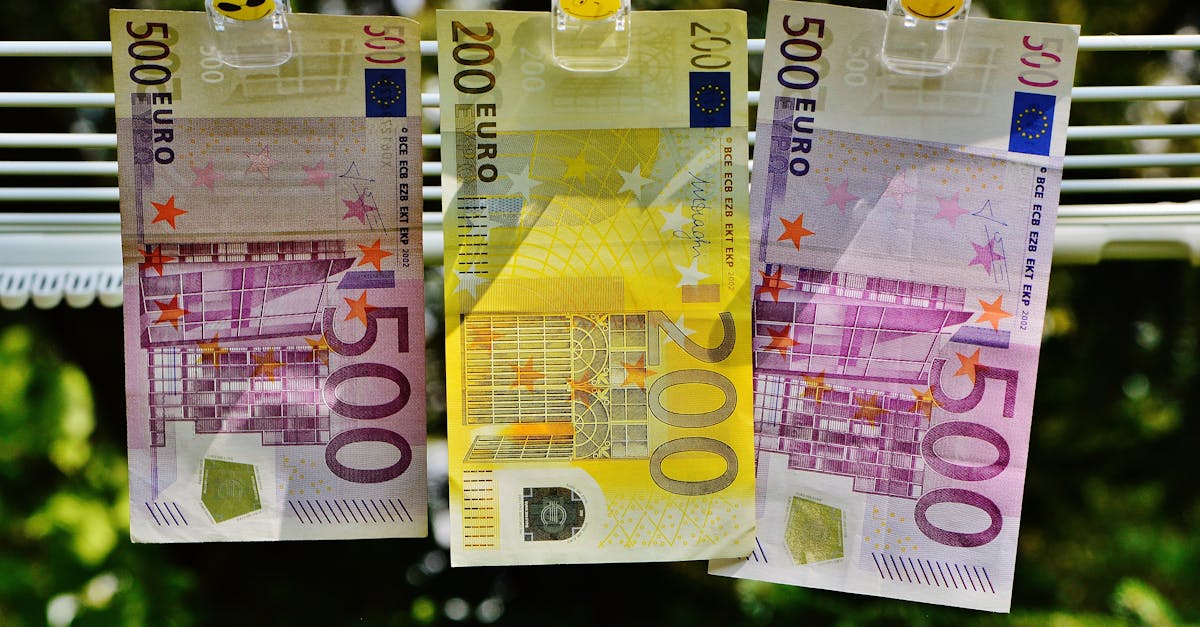
Euro Zone Inflation Surges
The euro zone economy has hit a roadblock, with inflation surging to 3% and economic growth almost coming to a standstill. This unexpected turn of events has left policymakers scrambling to find a solution to stimulate growth and keep inflation in check. The euro zone, which comprises 19 countries that use the euro as their common currency, has been experiencing a period of slow growth for several years.
Inflation has been a major concern for the European Central Bank (ECB), which has been trying to boost economic growth through monetary policy measures. However, the sudden spike in inflation has raised concerns about the effectiveness of these measures. The ECB has been keeping interest rates low and implementing quantitative easing to stimulate growth, but the results have been mixed.
The main drivers of inflation in the euro zone are energy prices and food prices, which have been rising rapidly in recent months. The conflict in Ukraine has led to a surge in energy prices, while bad weather has affected food production, leading to higher prices. The ECB has been trying to mitigate the impact of these external factors, but it is a challenging task.
The economic growth in the euro zone has been sluggish, with the GDP growth rate slowing down to almost zero. This has been attributed to a combination of factors, including weak demand, high debt levels, and low investment. The weak demand has been particularly problematic, as it has led to a buildup of inventories and a decrease in production.
There are several factors that are contributing to the weak demand, including austerity measures implemented by governments, high unemployment, and low consumer confidence. The austerity measures have led to a decrease in government spending, which has had a negative impact on economic growth. The high unemployment rate has also affected consumer spending, as people are less likely to spend when they are unsure about their job security.
The ECB has been trying to address these issues through its monetary policy measures, but it is a complex task. The bank has to balance the need to stimulate growth with the need to keep inflation in check. The sudden spike in inflation has made this task even more challenging, as the bank has to ensure that it does not fuel inflation further.
Possible solutions to the economic slowdown in the euro zone include fiscal stimulus, structural reforms, and monetary policy easing. Fiscal stimulus could involve governments increasing their spending to boost demand, while structural reforms could involve measures to improve the business environment and increase competitiveness. Monetary policy easing could involve the ECB cutting interest rates or implementing more quantitative easing.
Some of the key sectors that are likely to be affected by the economic slowdown include
- manufacturing, which is likely to be affected by the weak demand and high energy prices
- construction, which is likely to be affected by the low investment and weak demand
- services, which is likely to be affected by the low consumer confidence and high unemployment
In conclusion, the euro zone economy is facing a challenging time, with inflation surging and economic growth almost stalling. The ECB and governments need to work together to find a solution to stimulate growth and keep inflation in check. This will require a combination of fiscal stimulus, structural reforms, and monetary policy easing.