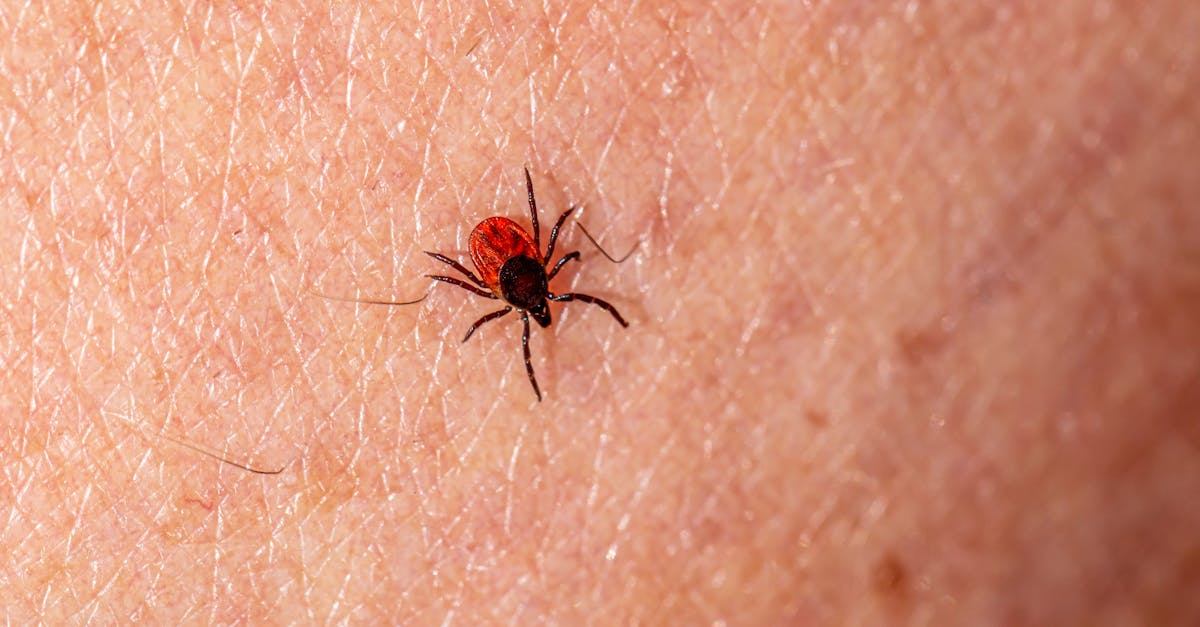
Tick Bite ER Visits Surge
As the summer months approach, many people are spending more time outdoors, enjoying activities such as hiking, gardening, and picnicking. However, this increased outdoor activity has also led to a surge in emergency room visits for tick bites. According to recent data, the number of people seeking medical attention for tick bites has risen significantly compared to previous years.
So, what's behind this sudden spike in tick bite-related ER visits? Climate change is one factor, as warmer temperatures and changing precipitation patterns have allowed tick populations to thrive. Additionally, human behavior plays a role, as people are venturing into tick-infested areas more frequently and not taking adequate precautions to protect themselves.
Another contributing factor is the increased awareness of tick-borne illnesses, such as Lyme disease, Rocky Mountain spotted fever, and Southern tick-associated rash illness (STARI). As people become more educated about the risks associated with tick bites, they are more likely to seek medical attention if they experience any symptoms. Early detection and treatment are crucial in preventing long-term complications from these illnesses.
To protect yourself from tick bites, there are several easy and effective methods. Wearing protective clothing, such as long-sleeved shirts and pants, can help prevent ticks from attaching to your skin. Using insect repellent containing DEET, picaridin, or oil of lemon eucalyptus can also help deter ticks. When spending time outdoors, it's essential to conduct regular tick checks on yourself, children, and pets.
In addition to these personal protective measures, property maintenance can also play a role in reducing tick populations. Keeping your yard clean, removing leaf litter, and using tick-killing granules or sprays can help minimize the risk of tick encounters. For people who live in areas with high tick activity, considering professional tick control services may be a worthwhile investment.
While the surge in tick bite-related ER visits is alarming, it's essential to remember that most tick bites do not result in illness. However, it's always better to err on the side of caution and seek medical attention if you experience any symptoms, such as a rash, fever, or headache, after a tick bite. By taking proactive steps to protect yourself and your loved ones, you can enjoy the outdoors while minimizing the risk of tick-borne illnesses.
For those who have already experienced a tick bite, it's crucial to monitor your health closely and seek medical attention immediately if you notice any symptoms. In some cases, antibiotic treatment may be necessary to prevent the development of a tick-borne illness. By being aware of the risks and taking proactive steps to protect yourself, you can reduce your chances of becoming a statistic in the rising trend of tick bite-related ER visits.
Some of the most effective ways to protect yourself from tick bites include:
- Wearing protective clothing, such as long-sleeved shirts and pants
- Using insect repellent containing DEET, picaridin, or oil of lemon eucalyptus
- Conducting regular tick checks on yourself, children, and pets
- Keeping your yard clean and removing leaf litter
- Using tick-killing granules or sprays