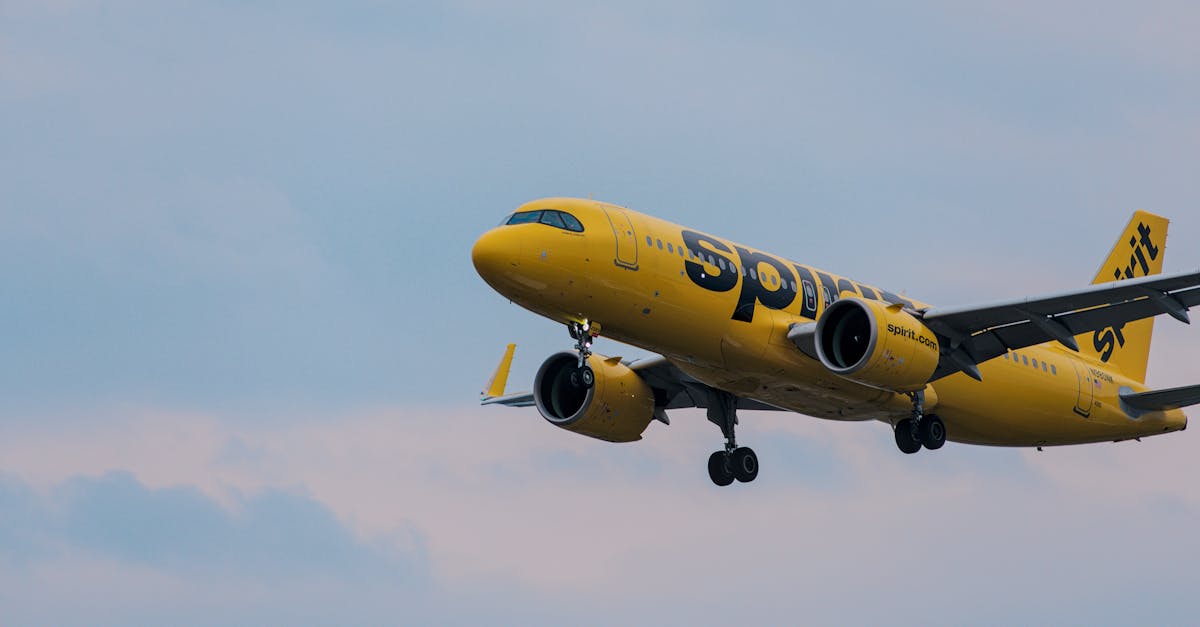
Spirit Airlines Teeters on Brink of Collapse
Spirit Airlines, a prominent player in the US aviation industry, is on the verge of collapse after a rescue deal failed to materialize. The news has sent shockwaves throughout the sector, with many wondering what led to this drastic turn of events. To understand the situation, it's essential to delve into the airline's history and the circumstances that have brought it to this point.
Spirit Airlines was founded in 1980 and has since grown to become one of the largest ultra-low-cost carriers in the United States. The airline's business model, which focuses on offering affordable fares while charging extra for amenities, has been successful in attracting price-conscious travelers. However, the airline has faced significant challenges in recent years, including increased competition, rising fuel costs, and labor disputes.
The current crisis began when Spirit Airlines' management announced that the company was exploring strategic options to address its financial woes. This led to speculation about a potential merger or acquisition, with several airlines rumored to be interested in a deal. However, after months of negotiations, it appears that a rescue deal has fallen apart, leaving Spirit Airlines on the brink of collapse.
The implications of Spirit Airlines' potential shutdown are far-reaching. Thousands of jobs are at risk, and the airline's demise could have a significant impact on the US aviation industry as a whole. Industry experts warn that the loss of a major carrier could lead to higher fares and reduced competition, ultimately harming consumers. Furthermore, the shutdown could also have a ripple effect on the economy, with potential losses for businesses that rely on the airline for cargo and passenger services.
So, what went wrong? Analysts point to several factors, including the airline's high debt levels, intense competition, and rising operational costs. The airline's business model, while successful in the past, has become increasingly unsustainable in the face of changing market conditions. Additionally, the COVID-19 pandemic has had a devastating impact on the aviation industry, with many airlines struggling to recover from the resulting downturn.
As the situation unfolds, government officials are facing pressure to intervene and prevent the airline's collapse. While some have called for regulatory reforms to support the struggling airline, others argue that government intervention could create unfair competition and distort the market. The debate highlights the complex nature of the issue, with no easy solutions in sight.
In the meantime, Spirit Airlines' customers are left wondering what the future holds. The airline has assured passengers that it will continue to operate as usual, but the uncertainty surrounding its future has led to a surge in cancellations and refund requests.
- The airline's website and social media channels have been inundated with inquiries and complaints, with many customers expressing frustration and disappointment.
- Some have taken to social media to share their experiences, with many calling for greater transparency and communication from the airline.
- Others have begun exploring alternative travel options, citing concerns about the airline's reliability and stability.
As the clock ticks down, Spirit Airlines' fate remains uncertain. While there is still a glimmer of hope that a last-minute deal could save the airline, the prospects look increasingly bleak. One thing is clear, however: the collapse of Spirit Airlines would have far-reaching consequences for the US aviation industry, and it's essential that policymakers and industry leaders work together to find a solution that benefits all stakeholders.