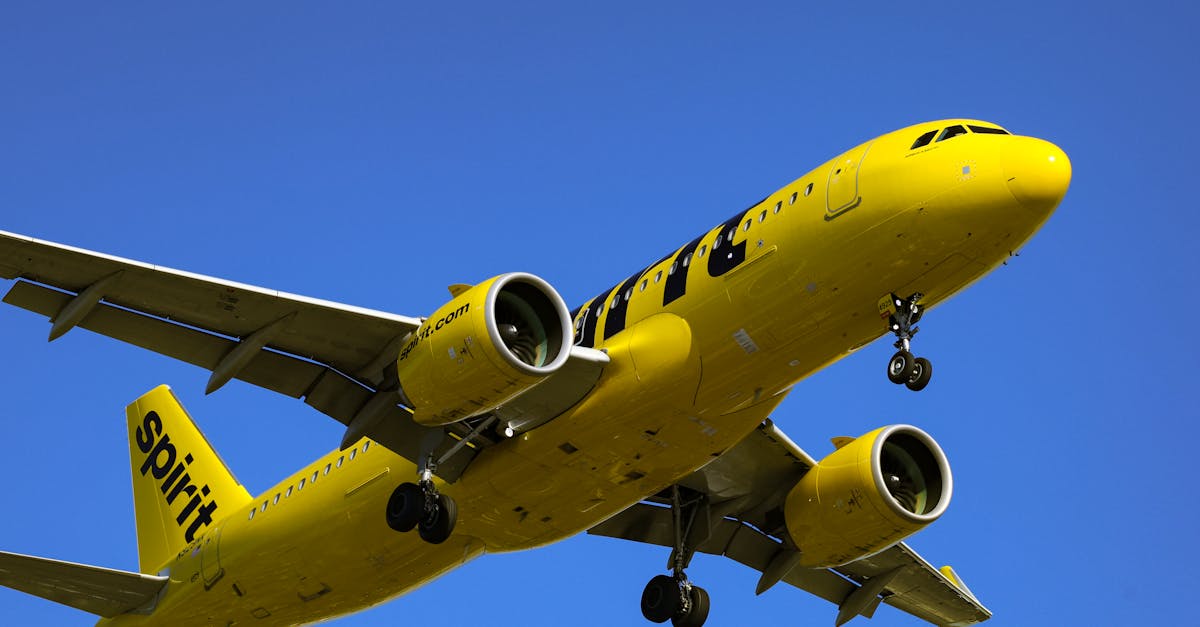
Spirit Airlines Ceases Operations
Spirit Airlines, once a major player in the budget air travel market, has ceased operations effective immediately. The news came as a shock to the aviation industry, with the airline's website and social media channels announcing the sudden shutdown. The move follows a failed government bailout, which was seen as the last hope for the struggling carrier.
The airline's collapse has left thousands of passengers stranded, with many more facing uncertainty about their future travel plans. Spirit Airlines had been operating for over 30 years, offering low-cost flights to destinations across the United States, Latin America, and the Caribbean. The airline's business model, which relied heavily on cheap fares and ancillary fees, had been under pressure in recent years due to rising fuel costs and increased competition.
Despite efforts to restructure and cut costs, Spirit Airlines was unable to recover from the impact of the COVID-19 pandemic, which had a devastating effect on the global aviation industry. The airline's management had been in talks with the government about a potential bailout, but these efforts ultimately proved unsuccessful. The lack of government support, combined with the airline's significant debt burden, made it impossible for Spirit Airlines to continue operating.
The collapse of Spirit Airlines has significant implications for the aviation industry as a whole. The airline's low-cost business model had been popular with budget-conscious travelers, and its demise is likely to lead to higher fares and reduced competition in the market. Rivals such as Frontier Airlines and JetBlue may seek to capitalize on Spirit's demise, but they will also face challenges in absorbing the airline's former customers and routes.
In the short term, the focus will be on supporting the thousands of passengers who have been affected by the airline's collapse. The US Department of Transportation has announced plans to provide assistance to stranded travelers, including help with rebooking flights and retrieving luggage. Airlines such as American Airlines and Delta have also offered to honor Spirit Airlines tickets and provide alternative travel arrangements.
Looking ahead, the failure of Spirit Airlines raises important questions about the future of the aviation industry. As the sector continues to evolve and face new challenges, there will be a need for innovative and sustainable business models that can thrive in a rapidly changing environment.
- The rise of ultra-low-cost carriers such as Frontier Airlines and Allegiant Air may continue to disrupt the market.
- New technologies, such as electric and hybrid-electric aircraft, could play a key role in reducing costs and emissions.
- Changes in consumer behavior, such as a growing demand for sustainable travel options, may also shape the future of the industry.
For now, the sudden collapse of Spirit Airlines serves as a reminder of the challenges and uncertainties faced by the aviation industry. As the sector continues to navigate these challenges, one thing is clear: the future of air travel will be shaped by a complex interplay of factors, including technological innovation, changing consumer behavior, and the ongoing pursuit of sustainability and profitability.