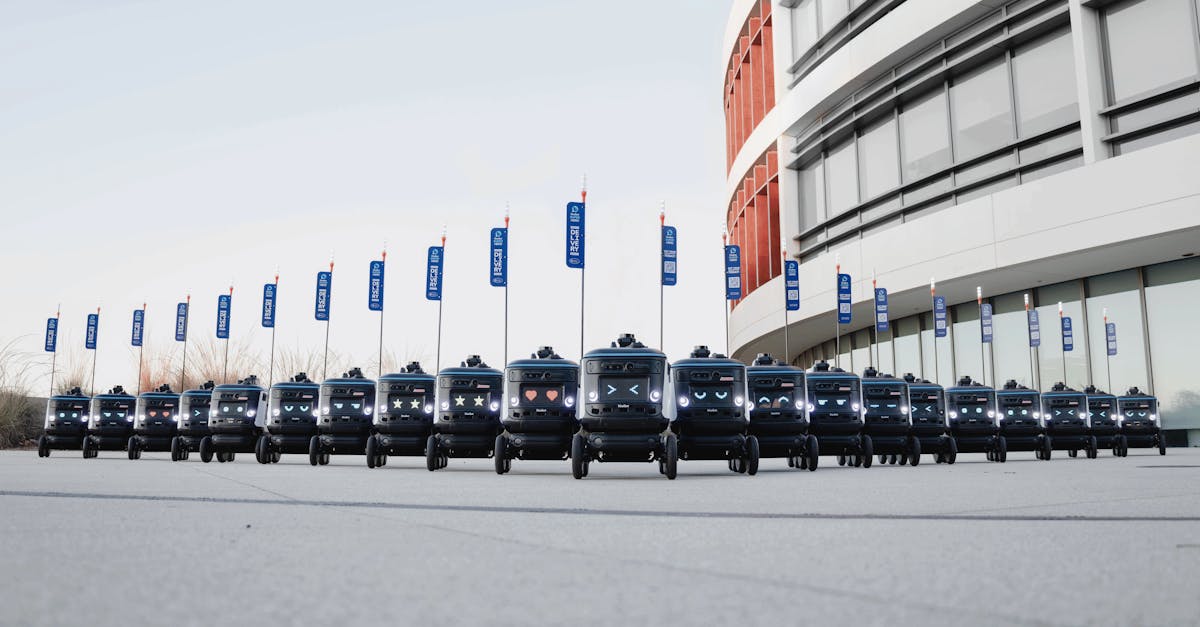
Robots Revolutionize Waste Management
The waste management industry has long struggled with staffing shortages, but a new solution is emerging in the form of humanoid robots. These advanced machines are being integrated into waste sorting facilities, streamlining the process and improving accuracy. Automation is not a new concept in waste management, but the introduction of robots that can mimic human movements and actions is a game-changer.
According to industry experts, the shortage of skilled workers in the waste management sector is a major challenge. Many companies are finding it difficult to attract and retain staff, leading to increased costs and decreased efficiency. Robotics offers a solution to this problem, as machines can work around the clock without breaks or vacations. Additionally, robots can perform tasks that are hazardous or difficult for humans, such as sorting toxic materials.
The use of robots in waste management is not limited to sorting facilities. Artificial intelligence is also being used to optimize routes and schedules for waste collection vehicles, reducing fuel consumption and lowering emissions. This technology can also help to identify areas where waste management services are most needed, allowing companies to allocate resources more effectively.
Some of the key benefits of using robots in waste management include:
- Increased efficiency and productivity
- Improved accuracy and reduced contamination
- Enhanced safety for human workers
- Reduced labor costs and improved profitability
While the introduction of robots in waste management is a positive development, there are also concerns about the impact on human workers. As machines take over tasks that were previously performed by people, there is a risk of job losses and social disruption. However, many experts believe that the benefits of robotics in waste management outweigh the drawbacks, and that the industry will ultimately create new job opportunities in fields such as maintenance and programming.
The future of waste management is likely to be shaped by advances in robotics and artificial intelligence. As technology continues to evolve, we can expect to see even more innovative solutions emerge. For example, autonomous vehicles could be used to collect waste, reducing the need for human drivers and improving safety. Additionally, advanced sensors could be used to monitor waste levels and composition, allowing for more effective management and reduction of waste.