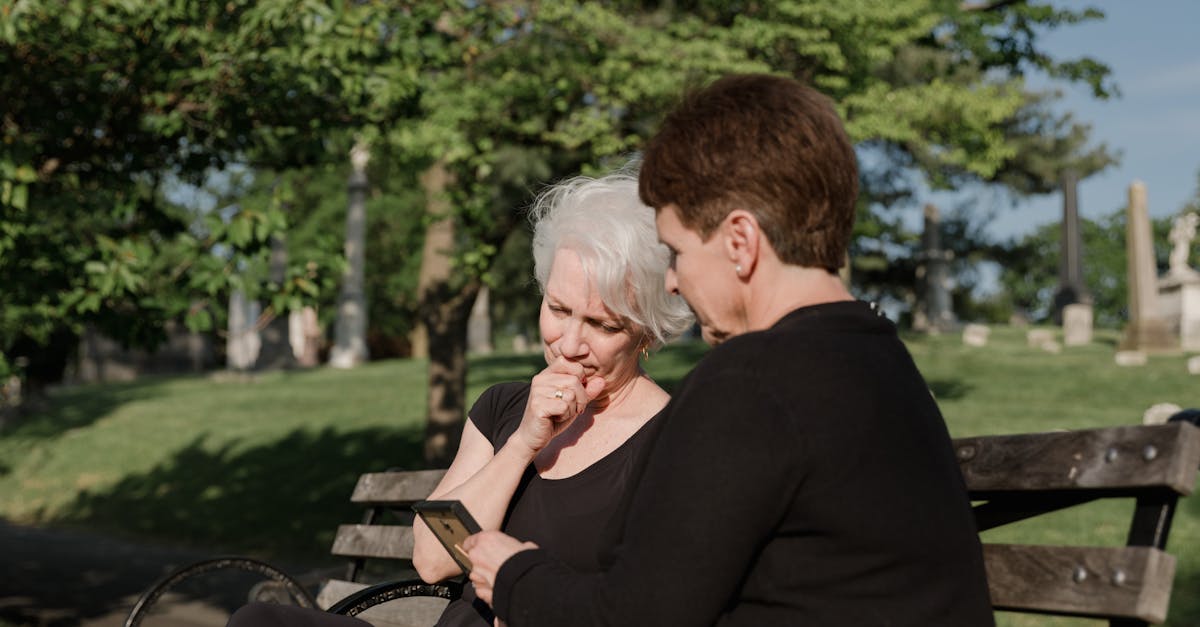
Grief in the Digital Age
The world of journalism is often associated with objectivity and detachment, but for Danielle Crittenden and David Frum, two seasoned journalists, their latest work is a deeply personal and emotional exploration of grief and loss. The couple's daughter, Miranda, passed away suddenly, leaving them to navigate the complexities of mourning in the digital age.
For many, writing is a therapeutic outlet, a way to process emotions and make sense of the world. For Crittenden and Frum, putting their feelings into words was not only a way to cope with their grief but also to share their story with others. In their new memoir, 'Dispatches From Grief', they offer a raw and honest account of their experience, shedding light on the often-taboo topic of death and mourning.
The digital era has transformed the way we experience and express grief. Social media platforms, in particular, have created new avenues for people to share their emotions and connect with others who have gone through similar experiences. However, this increased visibility can also be a double-edged sword, as the public nature of grief can be both comforting and overwhelming. Crittenden and Frum's memoir delves into the intricacies of this phenomenon, highlighting the benefits and drawbacks of sharing one's grief online.
One of the most striking aspects of 'Dispatches From Grief' is the way it interweaves personal narrative with broader social commentary. The authors draw on their own experiences to explore the ways in which technology is reshaping our understanding of death and mourning. They examine the role of social media in facilitating online communities of support, as well as the potential pitfalls of performative grief, where the expression of emotions becomes a public spectacle.
The couple's decision to write about their daughter's death was not taken lightly. As journalists, they are accustomed to reporting on the stories of others, but this time, they found themselves at the center of the narrative. Processing their grief through writing allowed them to take control of their emotions and create a sense of meaning from their experience. As Crittenden notes, 'writing about Miranda's death was a way for us to reclaim our story and to find a way to honor her memory'.
In addition to their personal story, 'Dispatches From Grief' features contributions from other writers and thinkers who have experienced loss and are grappling with the complexities of mourning in the digital age. The book includes essays, poems, and reflections from a diverse range of voices, creating a rich tapestry of perspectives on grief and bereavement. This collaborative approach underscores the importance of community and shared experience in the healing process.
Some of the key themes explored in the book include:
- The impact of social media on the grieving process
- The role of technology in shaping our understanding of death and mourning
- The importance of community and support in the healing process
- The complexities of performative grief and the public nature of mourning
As the digital landscape continues to evolve, it is likely that our experiences of grief and mourning will also change. 'Dispatches From Grief' offers a timely and thought-provoking exploration of this topic, one that will resonate with anyone who has experienced loss or is looking to better understand the complexities of the grieving process.