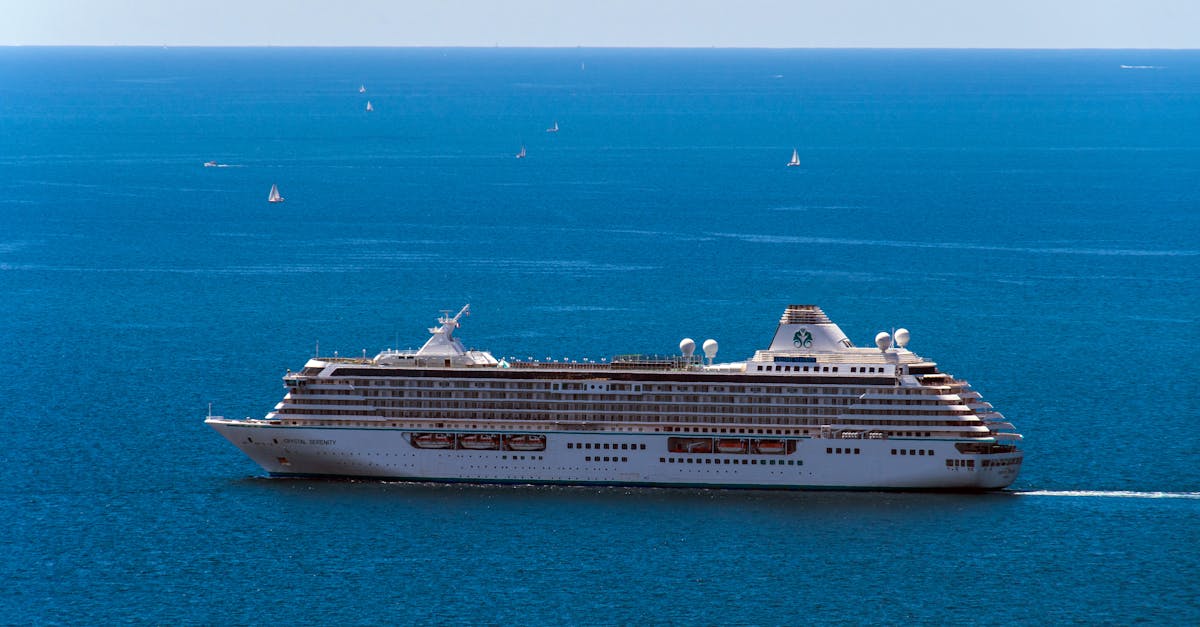
Hantavirus Outbreak On Cruise Ship
A recent outbreak of hantavirus on a cruise ship has raised concerns among health officials and passengers alike. The virus, which can be transmitted through contact with infected rodents or their droppings, has already affected several people on board. Two more passengers, one from France and one from the US, have tested positive for the virus after being evacuated from the vessel in the Canary Islands.
The incident has sparked a health scare, with authorities taking measures to contain the spread of the virus. The cruise ship, which was on a voyage from the Caribbean to Europe, was evacuated after several passengers and crew members fell ill. The infected passengers are currently being treated in hospitals on the islands, and their conditions are being closely monitored.
The hantavirus outbreak on the cruise ship is a cause for concern, as it highlights the risks of infectious diseases spreading in confined environments. Cruise ships, in particular, are vulnerable to outbreaks due to the close living quarters and shared facilities on board. The virus can spread quickly in such environments, making it essential for health officials to take prompt action to contain the outbreak.
The World Health Organization (WHO) has issued guidelines for the prevention and control of hantavirus outbreaks on cruise ships. These guidelines include measures such as enhanced cleaning and disinfection of the ship, as well as the implementation of personal protective equipment for crew members. The WHO has also emphasized the importance of passenger screening and monitoring to quickly identify and isolate infected individuals.
In addition to the WHO guidelines, cruise ship operators have a responsibility to ensure the health and safety of their passengers. This includes providing adequate medical facilities and staff on board, as well as implementing effective outbreak response plans. The incident highlights the need for cruise ship operators to be proactive in preventing and responding to outbreaks, rather than simply reacting to them after they occur.
The hantavirus outbreak on the cruise ship also raises questions about the regulation of the cruise industry. While the industry is subject to various international and national regulations, there may be a need for more stringent guidelines and oversight to prevent such outbreaks in the future. Government agencies and regulatory bodies must work together to ensure that cruise ship operators are held to high standards of health and safety, and that passengers are protected from the risks of infectious diseases.
The incident has also sparked a debate about the role of government agencies in responding to outbreaks. While the initial response to the outbreak was led by local health authorities, there may be a need for more coordinated international efforts to prevent the spread of infectious diseases. Global cooperation and information sharing are essential in responding to outbreaks, and governments must work together to develop effective strategies for preventing and controlling the spread of diseases.
In conclusion, the hantavirus outbreak on the cruise ship is a serious incident that highlights the risks of infectious diseases spreading in confined environments. It is essential for health officials, cruise ship operators, and government agencies to work together to prevent and respond to outbreaks, and to ensure the health and safety of passengers. By taking a proactive and coordinated approach, we can reduce the risks of infectious diseases and protect the public from the dangers of outbreaks.
Some of the key measures that can be taken to prevent and respond to outbreaks on cruise ships include:
- Enhanced cleaning and disinfection of the ship
- Implementation of personal protective equipment for crew members
- Passenger screening and monitoring
- Provision of adequate medical facilities and staff on board
- Implementation of effective outbreak response plans