Baltimore Bridge Collapse Charges
The Justice Department has taken a significant step in seeking accountability for the tragic Baltimore bridge collapse that occurred in 2024. The incident, which resulted in the loss of six lives, has been under intense scrutiny, with investigators working to determine the causes and assign responsibility where due. Recently, the department brought 18 charges against the operators of the ship involved in the collision and a manager, citing misconduct and obstruction as key factors in the lead-up to the disaster.
Background to the Incident
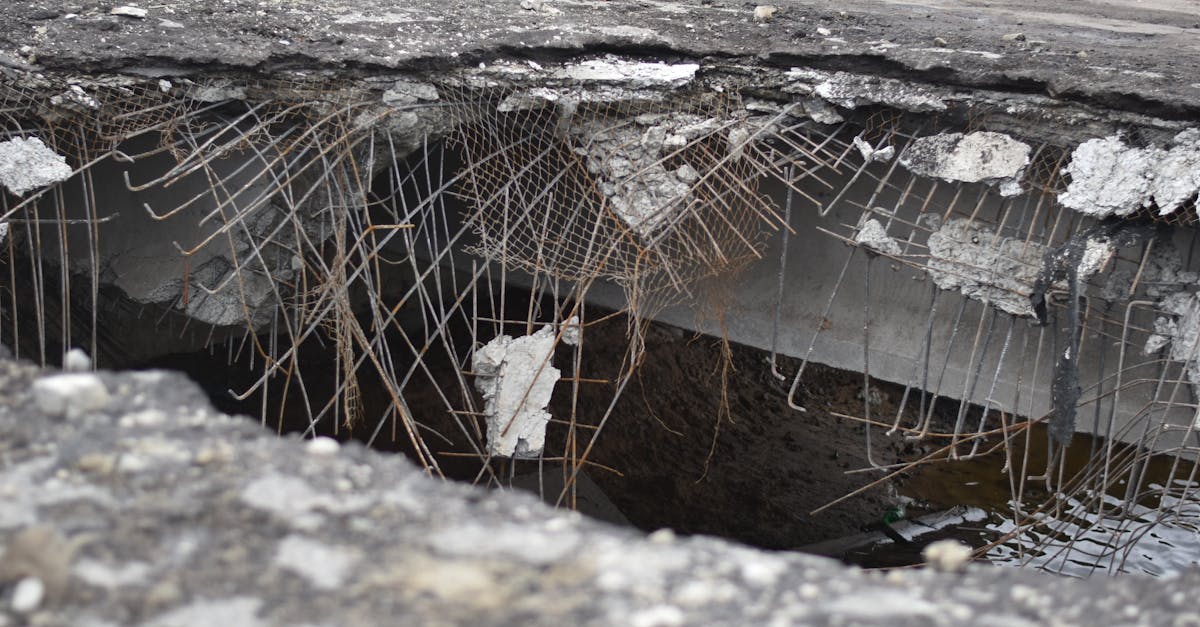
The Francis Scott Key Bridge, a major transportation artery in Baltimore, was the scene of the devastating collision. On the day of the incident, a ship navigated into the bridge, causing significant structural damage that ultimately led to its partial collapse. The aftermath was marked by an outpouring of grief for the victims and their families, as well as a call for answers regarding how such a tragedy could occur.
The investigation that followed was extensive, involving multiple agencies and experts in maritime operations, structural engineering, and safety protocols. It was during this investigation that evidence of misconduct and potential obstruction by the ship operators and management came to light, prompting the Justice Department to take legal action.
Charges and Implications
The charges brought against the ship operators and the manager are multifaceted, reflecting the complexity of the incident and the alleged wrongdoing. They include accusations of violating safety regulations, failing to properly train crew members, and attempting to cover up or obscure facts relevant to the investigation. These allegations, if proven, would indicate a pattern of negligence and a disregard for the safety of both the crew and the public.
The implications of these charges extend beyond the immediate parties involved, speaking to broader issues within the maritime industry and regulatory oversight. They highlight the need for stringent enforcement of safety standards and the importance of a culture of compliance and transparency among ship operators and managers.
Analysis and Next Steps
Analysts observe that the charges represent a significant step towards accountability but also note that the legal process will be lengthy and complex. The prosecution will need to prove each charge beyond a reasonable doubt, a challenge that requires meticulous presentation of evidence and testimony from experts and witnesses.
In the meantime, the incident and the subsequent charges have sparked a renewed focus on maritime safety and the prevention of similar tragedies. Regulatory bodies are under pressure to review and potentially strengthen safety protocols, while the maritime industry is encouraged to adopt best practices that prioritize safety above all else.
Conclusion
The Baltimore bridge collapse is a stark reminder of the importance of safety and accountability in critical infrastructure and transportation. As the legal proceedings against the ship operators and manager unfold, the nation watches with a keen eye, seeking justice for the victims and their families, and hoping that the tragedy will serve as a catalyst for meaningful change in the maritime industry.
Key takeaways from the incident and the charges include the need for enhanced safety measures, improved regulatory oversight, and a commitment to transparency and compliance within the industry. Ultimately, the goal is to prevent such tragedies from occurring in the future, ensuring the safety of both those who work in the maritime sector and the general public.