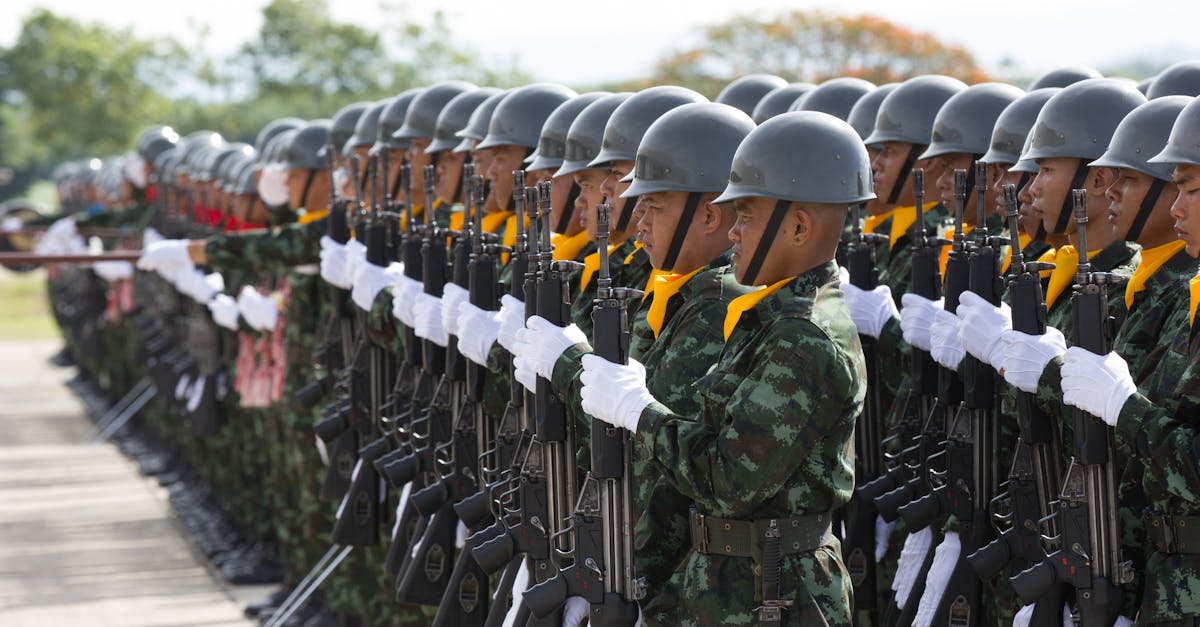
Pentagon Cancels Troop Deployment to Europe
The Pentagon's decision to cancel a planned deployment of 4,000 troops to Poland has sent shockwaves throughout the international community, with many analysts viewing it as a significant shift in US military strategy in Europe. The deployment, which was initially announced as part of a broader effort to bolster NATO's eastern flank, was seen as a key component of the US's commitment to regional security.
However, the White House has grown increasingly frustrated with NATO's lack of participation in the Iran war, with many member states refusing to provide military support or even diplomatic backing. This frustration has been building for months, with US officials repeatedly calling on NATO allies to do more to support the coalition's efforts in the region.
NATO's failure to participate in the Iran war has been a major point of contention between the US and its European allies, with many in Washington viewing it as a breach of the alliance's collective defense commitments. The US has long been the primary contributor to NATO's military efforts, and the lack of support from other member states has been seen as a sign of weakness and lack of resolve.
The cancellation of the troop deployment is likely to have significant implications for regional security, with many analysts warning that it could embolden Russian aggression in the region. Russia has long been a source of concern for NATO, with its annexation of Crimea in 2014 and ongoing support for separatist movements in eastern Ukraine.
Some of the key concerns surrounding the cancellation of the troop deployment include:
- The potential for increased Russian aggression in the region
- The impact on regional stability and security
- The potential for a decline in US influence in Europe
Despite these concerns, the US has made it clear that it will continue to prioritize its own national security interests, even if it means going it alone. The US has a long history of unilateral action, and it is likely that this trend will continue in the future.
The cancellation of the troop deployment is also likely to have significant implications for the future of NATO, with many analysts warning that it could mark the beginning of the end of the alliance as we know it. NATO has long been a cornerstone of European security, but its relevance and effectiveness have been called into question in recent years.
As the situation continues to unfold, one thing is clear: the US is committed to prioritizing its own national security interests, even if it means going against the wishes of its European allies. The future of NATO and regional security hangs in the balance, and it remains to be seen how the situation will play out in the coming months and years.