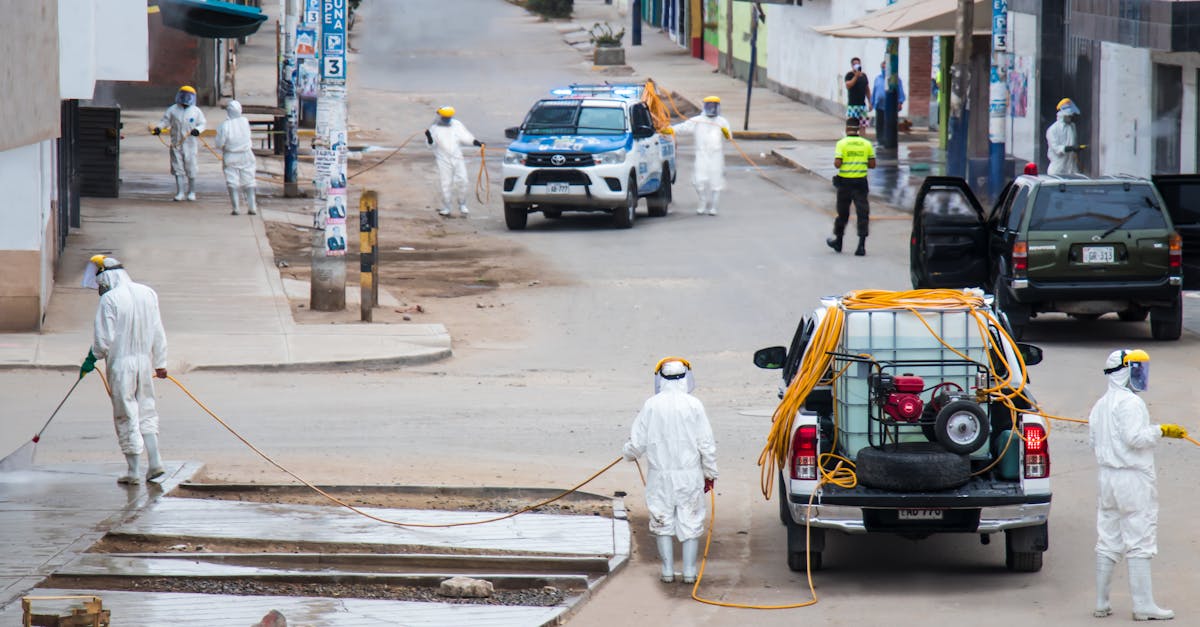
Ebola Outbreak Rages On In DRC
The Democratic Republic of Congo is facing a severe Ebola outbreak, with 131 suspected deaths reported, according to health officials. The outbreak, which was declared in August, has seen a significant surge in cases in recent weeks, with many more suspected to be infected. The World Health Organization (WHO) has warned that the outbreak has the potential to spread to other parts of the country and even beyond its borders.
The current outbreak is the tenth to affect the DRC since the virus was first discovered in 1976. Ebola is a highly contagious and deadly disease that causes fever, vomiting, and bleeding. It is spread through direct contact with infected bodily fluids, such as blood, sweat, and saliva. The virus has a mortality rate of up to 90%, making it one of the most deadly diseases known to humanity.
The DRC has a long history of struggling with Ebola outbreaks, with the most recent one being declared in May 2018. That outbreak, which occurred in the western part of the country, was quickly contained, with only a few cases reported. However, the current outbreak is proving to be more challenging, with cases reported in multiple provinces, including North Kivu and Ituri.
Health officials have attributed the spread of the virus to several factors, including poor healthcare infrastructure, lack of awareness about the disease, and inadequate funding. The DRC has some of the poorest healthcare systems in the world, with many hospitals and clinics lacking basic supplies, such as gloves, masks, and disinfectants. This has made it difficult for healthcare workers to respond effectively to the outbreak.
The WHO has deployed a team of experts to the DRC to help contain the outbreak. The team includes epidemiologists, laboratory technicians, and logistics experts. The WHO has also provided the DRC with emergency funding to support the response efforts. Other organizations, such as the Centers for Disease Control and Prevention (CDC) and the International Rescue Committee (IRC), have also provided support.
Despite these efforts, the outbreak continues to spread, with new cases being reported every day. The DRC government has implemented several measures to try to contain the outbreak, including travel restrictions and quarantines. However, these measures have had limited success, and the virus continues to spread.
The international community has been criticized for its slow response to the outbreak. The WHO has faced criticism for its handling of the outbreak, with some accusing the organization of being too slow to respond. The DRC government has also faced criticism for its handling of the outbreak, with some accusing it of being inadequately prepared.
The Ebola outbreak in the DRC has significant implications for global health security. The virus has the potential to spread to other parts of the world, particularly in Africa, where healthcare systems are often weak. The outbreak has also highlighted the need for improved healthcare infrastructure and emergency preparedness in the DRC and other parts of the world.
To prevent the spread of the virus, health officials recommend several measures, including:
- Washing hands frequently with soap and water
- Avoiding close contact with people who are sick
- Wearing protective gear, such as gloves and masks, when caring for sick patients
- Seeking medical attention immediately if symptoms occur
The Ebola outbreak in the DRC is a complex and challenging situation that requires a coordinated and sustained response from the international community. It is essential that health officials, governments, and other stakeholders work together to contain the outbreak and prevent further spread of the virus.