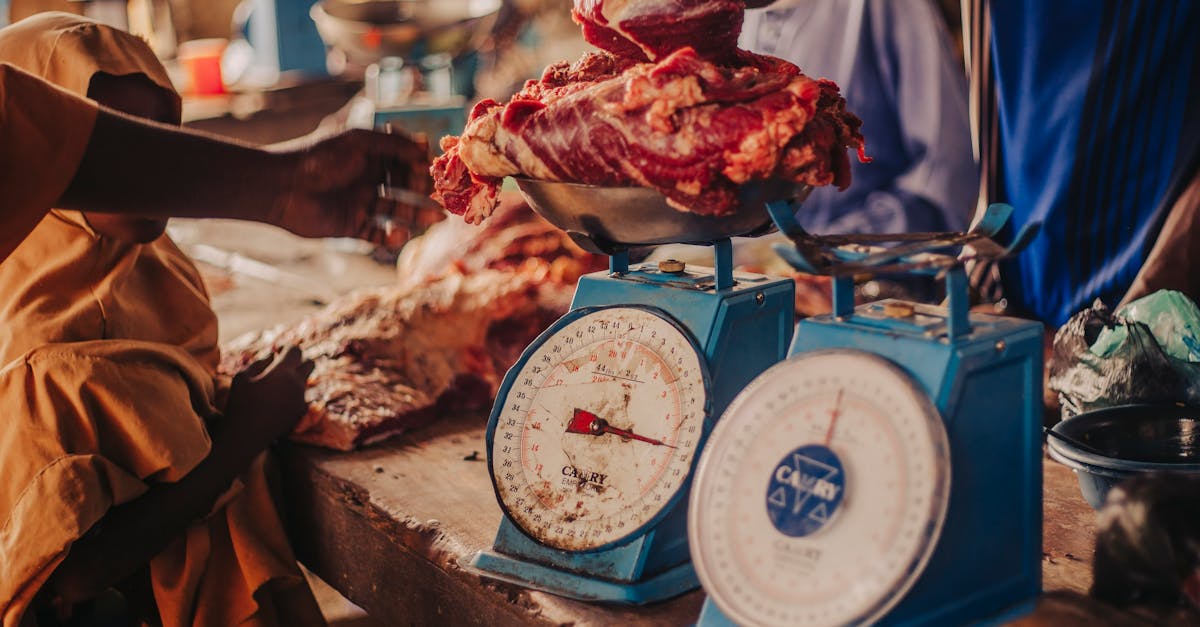
Meat Consumption Linked to Lower Dementia Risk
A surprising new observational study has found a tentative connection between eating more meat of any kind and a lower risk of developing dementia, but only in one specific group. The study, which was conducted over several years, analyzed the dietary habits and health outcomes of thousands of participants, and the results are both intriguing and counterintuitive.
For decades, the conventional wisdom has been that a diet high in meat consumption is detrimental to overall health, increasing the risk of heart disease, certain types of cancer, and other chronic conditions. However, this new research suggests that when it comes to dementia, the opposite may be true - at least for a certain segment of the population.
The study found that among participants who were vegetarian or vegan, there was no significant correlation between meat consumption and dementia risk. However, among participants who were non-vegetarian, those who consumed more meat of any kind had a significantly lower risk of developing dementia. This correlation was observed regardless of the type of meat consumed, whether it was red meat, poultry, or fish.
The researchers behind the study are quick to note that the findings are observational, and that more research is needed to fully understand the relationship between meat consumption and dementia risk. However, they also suggest that the results may have significant implications for public health policy and dietary recommendations, particularly for older adults who are at highest risk of developing dementia.
So what might explain the apparent link between meat consumption and lower dementia risk in this specific group? The researchers offer several possible theories, including the fact that meat is a rich source of certain nutrients, such as vitamin B12 and iron, which are essential for maintaining healthy brain function. They also suggest that meat consumption may be a marker for other lifestyle factors, such as higher socioeconomic status or greater access to healthcare, which could also contribute to a lower risk of dementia.
Some of the key findings of the study include:
- A significant correlation between meat consumption and lower dementia risk among non-vegetarian participants
- No significant correlation between meat consumption and dementia risk among vegetarian or vegan participants
- A dosage effect, with higher levels of meat consumption associated with greater reductions in dementia risk
While the study's findings are intriguing, they are not without controversy. Some experts have raised concerns about the potential confounding variables that may have influenced the results, such as differences in lifestyle or socioeconomic status between vegetarians and non-vegetarians. Others have noted that the study's observational design means that it is impossible to establish causality, and that more research is needed to fully understand the relationship between meat consumption and dementia risk.
Despite these limitations, the study's findings are an important contribution to the ongoing debate about the role of diet in maintaining healthy brain function and reducing the risk of dementia. As the global population ages and the prevalence of dementia continues to rise, it is essential that we continue to explore all possible avenues for prevention and treatment, including the potential benefits of meat consumption.