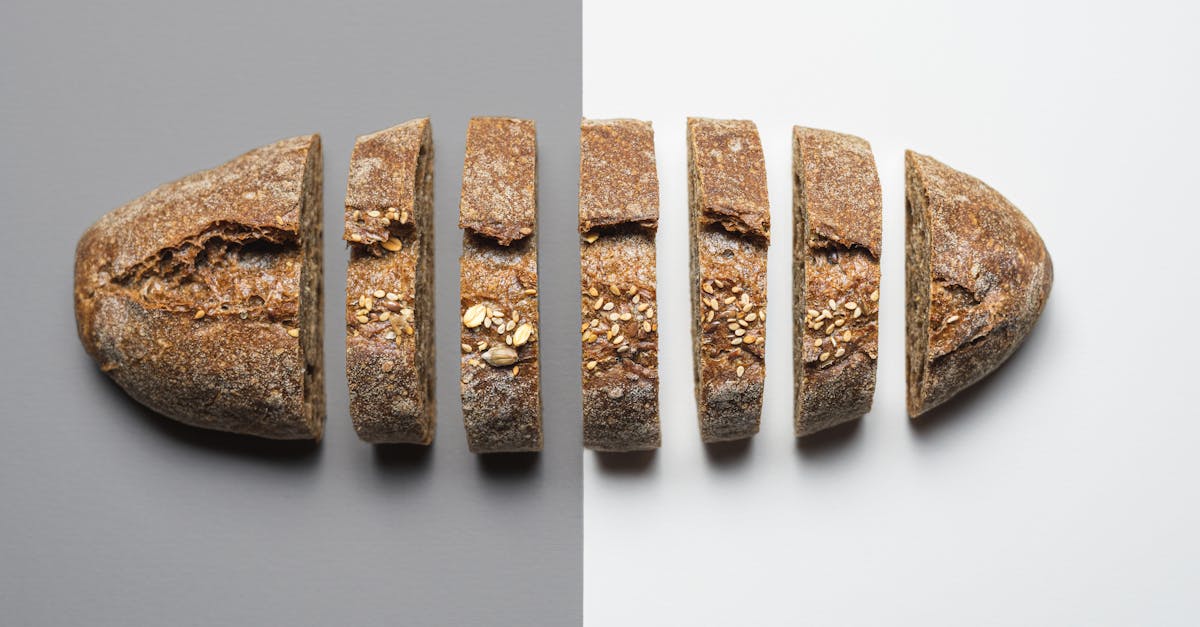
Bread Linked to Weight Gain
For years, bread has been a staple in many diets around the world, but recent studies have shed light on its potential role in weight gain. A team of scientists has made a groundbreaking discovery that explains how eating bread can cause body weight and fat mass to increase, even when caloric intake remains the same. This finding has significant implications for our understanding of nutrition and weight management.
The research, conducted on mice, showed that the consumption of bread led to an increase in body weight and fat mass, despite the fact that the mice were not overeating. The scientists were surprised to find that the mice were not consuming more calories, but rather, their bodies were responding to the bread in a way that promoted weight gain. This response was linked to the way in which the body processes the carbohydrates in bread, leading to an increase in fat storage and weight gain.
To understand this phenomenon, it's essential to look at the composition of bread and how it affects the body. Bread is primarily made up of carbohydrates, which are broken down into glucose during digestion. Glucose is then absorbed into the bloodstream, causing a spike in blood sugar levels. In response to this spike, the body releases insulin, a hormone that regulates blood sugar levels. However, when this process is repeated regularly, the body can become less sensitive to insulin, leading to an increase in fat storage and weight gain.
The scientists also found that the type of bread consumed played a significant role in the weight gain phenomenon. Whole grain bread was found to have a lesser impact on weight gain compared to refined white bread. This is likely due to the higher fiber content in whole grain bread, which can help slow down the digestion of carbohydrates and reduce the spike in blood sugar levels.
So, what does this mean for our diets? While it's not necessary to completely eliminate bread from our diets, being mindful of the type and amount of bread we consume is crucial. A balanced diet that includes a variety of whole foods, such as fruits, vegetables, and lean proteins, can help mitigate the negative effects of bread consumption. Additionally, opting for whole grain bread and being aware of portion sizes can also help reduce the risk of weight gain.
In conclusion, the link between bread consumption and weight gain is complex and multifaceted. While bread itself is not the sole cause of weight gain, the way in which our bodies process the carbohydrates in bread can lead to an increase in fat storage and weight gain. By understanding this process and making informed choices about our diets, we can take the first step towards a healthier and more balanced lifestyle.
- Choose whole grain bread over refined white bread
- Be mindful of portion sizes
- Incorporate a variety of whole foods into your diet
- Avoid overconsumption of carbohydrates