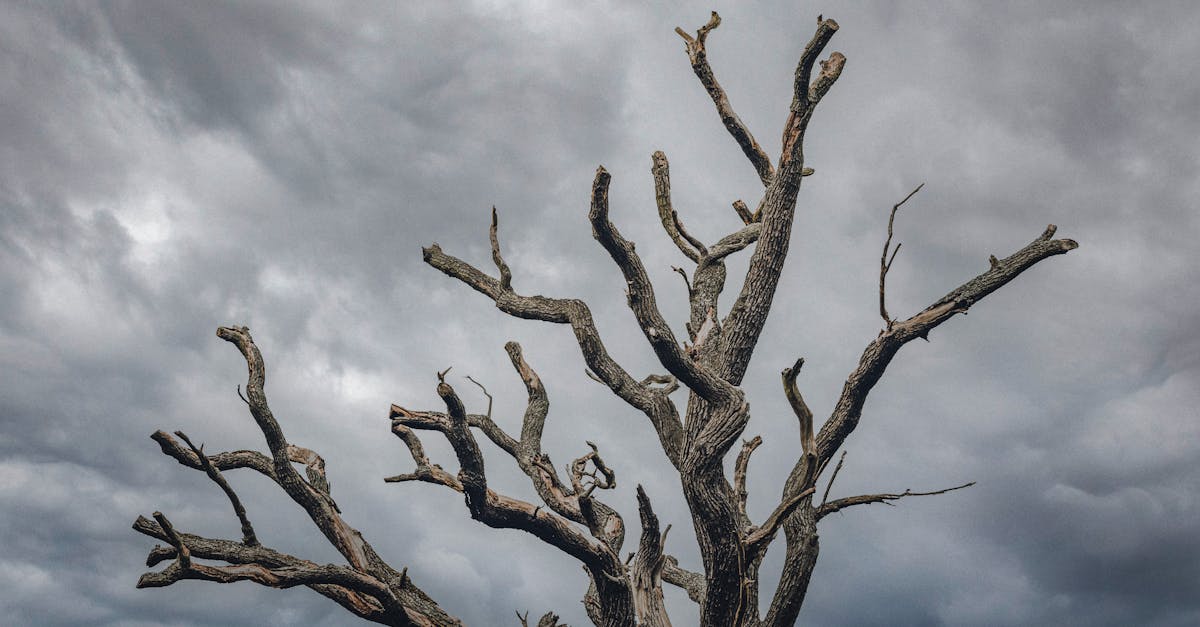
Tree of Death: Deadly Fruit and Toxic Rain
The Tree of Death, also known as the cerbera odollam, is a species of plant that is as fascinating as it is deadly. Native to the tropical regions of the Indian and Pacific Oceans, this tree has been a subject of interest for botanists and scientists due to its unique and potent properties. The Tree of Death is known to produce a toxic sap that can cause severe irritation, blindness, and even death if ingested or if it comes into contact with the skin or eyes.
The fruit of the Tree of Death is particularly notorious, as it contains a toxin called cerberin, which can be fatal if consumed. The seeds of the fruit are also highly toxic and have been known to cause respiratory failure, cardiac arrest, and even death. The toxicity of the Tree of Death is so high that it has been used in some cultures as a method of execution, with the sap being used to poison arrows and other weapons.
Despite the dangers posed by the Tree of Death, it also has some potential medicinal uses. The sap of the tree has been used in traditional medicine to treat a range of ailments, including fever, rheumatism, and skin conditions. However, the use of the Tree of Death for medicinal purposes is highly regulated and requires specialized knowledge and equipment to handle safely.
- The sap of the Tree of Death can be used to treat skin conditions such as eczema and acne.
- The seeds of the fruit have been used in traditional medicine to treat respiratory problems such as bronchitis and asthma.
- The leaves of the tree have been used to treat fever and rheumatism.
The Tree of Death is also an important part of the ecosystem in which it grows. It provides food and shelter for a range of animals, including birds, monkeys, and insects. However, the tree's toxic properties also make it a potential threat to these animals, highlighting the complex and delicate balance of the natural world. As humans, it is essential that we approach the Tree of Death with caution and respect, recognizing both its potential dangers and its importance in the ecosystem.
In conclusion, the Tree of Death is a fascinating and complex plant that poses significant dangers to humans and animals alike. While it has potential medicinal uses, its toxicity and potency require specialized knowledge and equipment to handle safely. As we continue to explore and interact with the natural world, it is essential that we approach plants like the Tree of Death with caution and respect, recognizing both their importance in the ecosystem and their potential threats to our health and well-being.