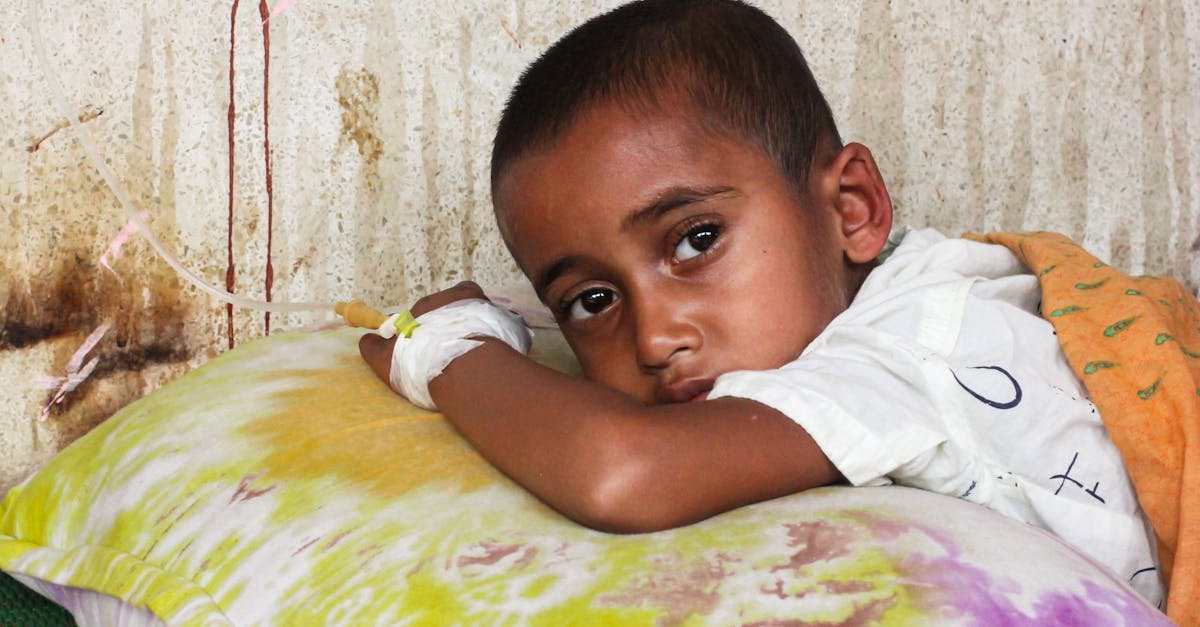
Measles Crisis: US Unprepared
The recent measles outbreaks across the United States have raised concerns about the country's ability to handle disease outbreaks. With over 1,000 cases reported in 2019, the highest number in over 25 years, the situation has become a major public health concern.
Background: Measles was declared eliminated in the US in 2000, but the recent surge in cases has highlighted the ongoing risk of infectious diseases. The majority of cases have been linked to unvaccinated individuals, with outbreaks often occurring in areas with low vaccination rates.
During a recent congressional testimony, the Health and Human Services (HHS) Secretary emphasized the need for improved preparedness and response to disease outbreaks. The HHS Secretary's concerns underscore the fact that the nation is unprepared for what comes after the measles crisis, with a lack of investment in public health infrastructure and vaccine research.
Analysis: The current measles crisis is just the tip of the iceberg, with health experts warning of a larger problem beyond the current epidemic. The US has faced numerous disease outbreaks in recent years, including Ebola, Zika, and influenza, highlighting the need for a comprehensive approach to public health.
A key area of concern is the lack of investment in vaccine research and development. With the rise of anti-vaccine movements, there is a growing need for effective vaccines and treatments to combat emerging diseases. However, the current funding for vaccine research is insufficient, leaving the nation vulnerable to future outbreaks.
Solutions: To address the looming health crisis, health experts recommend a multi-faceted approach. This includes increasing funding for vaccine research and development, improving public health infrastructure, and promoting vaccine education and awareness. Additionally, there is a need for stronger partnerships between government agencies, healthcare providers, and community organizations to enhance disease surveillance and response.
Some of the key strategies to enhance preparedness include:
- Developing and implementing effective vaccine distribution and administration systems
- Enhancing disease surveillance and tracking systems
- Improving communication and collaboration between healthcare providers and public health agencies
- Increasing funding for vaccine research and development
In conclusion, the US faces a significant challenge in preparing for and responding to disease outbreaks. While the current measles crisis is a major concern, it is essential to address the underlying issues and develop a comprehensive approach to public health. By investing in vaccine research, improving public health infrastructure, and promoting vaccine education and awareness, the nation can reduce the risk of future outbreaks and protect the health and well-being of its citizens.