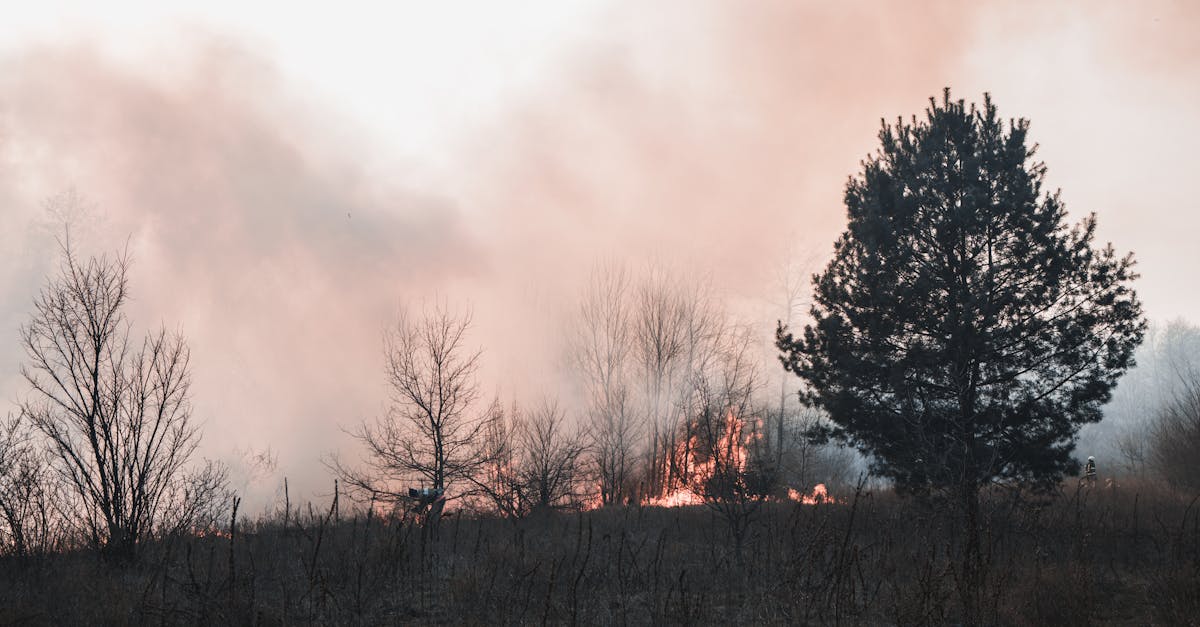
Wildfire Smoke Cancer Risk
As the world grapples with the challenges of climate change, the increasing frequency and severity of wildfires have become a major concern. Not only do these fires pose a significant threat to the environment and human settlements, but they also have a profound impact on human health. A recent study has shed light on the alarming link between exposure to wildfire smoke and the risk of developing several types of cancer.
The study, which analyzed data from various sources, including the National Cancer Institute and the Environmental Protection Agency, found that the chemicals present in wildfire smoke may be carcinogenic. Polycyclic aromatic hydrocarbons (PAHs) and volatile organic compounds (VOCs) are two of the primary culprits, which can cause damage to the DNA and lead to the formation of cancer cells.
According to the researchers, the risk of cancer from wildfire smoke is particularly high for people who are exposed to it for extended periods. This includes firefighters, people living in areas prone to wildfires, and those who engage in outdoor activities during periods of high smoke pollution. The study also notes that the risk is not limited to the immediate area of the fire, as smoke can travel long distances and affect people in other regions.
One of the most significant findings of the study is that wildfire smoke may emerge as an increasingly important driver of cancer burden in the United States. As the frequency and severity of wildfires continue to rise, the number of people exposed to carcinogenic smoke is likely to increase. This is particularly concerning, given that the US has seen a decline in cigarette smoking in recent years, which was previously a major contributor to cancer cases.
The study's authors have called for increased awareness and action to mitigate the risks associated with wildfire smoke. This includes implementing stricter regulations on air quality, providing protective gear to firefighters and other high-risk individuals, and educating the public on the dangers of smoke exposure. Additionally, the researchers recommend that people take steps to reduce their exposure to smoke, such as staying indoors during periods of high pollution and using air purifiers to clean the air.
Some of the key findings of the study include:
- The risk of lung cancer, breast cancer, and colon cancer may be increased by exposure to wildfire smoke
- Firefighters and people living in areas prone to wildfires are at a higher risk of developing cancer
- The chemicals present in wildfire smoke can cause damage to the DNA and lead to the formation of cancer cells
- Stricter regulations on air quality and education on the dangers of smoke exposure are needed to mitigate the risks
In conclusion, the link between wildfire smoke and cancer is a pressing concern that requires immediate attention. As the world continues to grapple with the challenges of climate change, it is essential that we take steps to mitigate the risks associated with wildfire smoke and protect the health and well-being of individuals and communities.