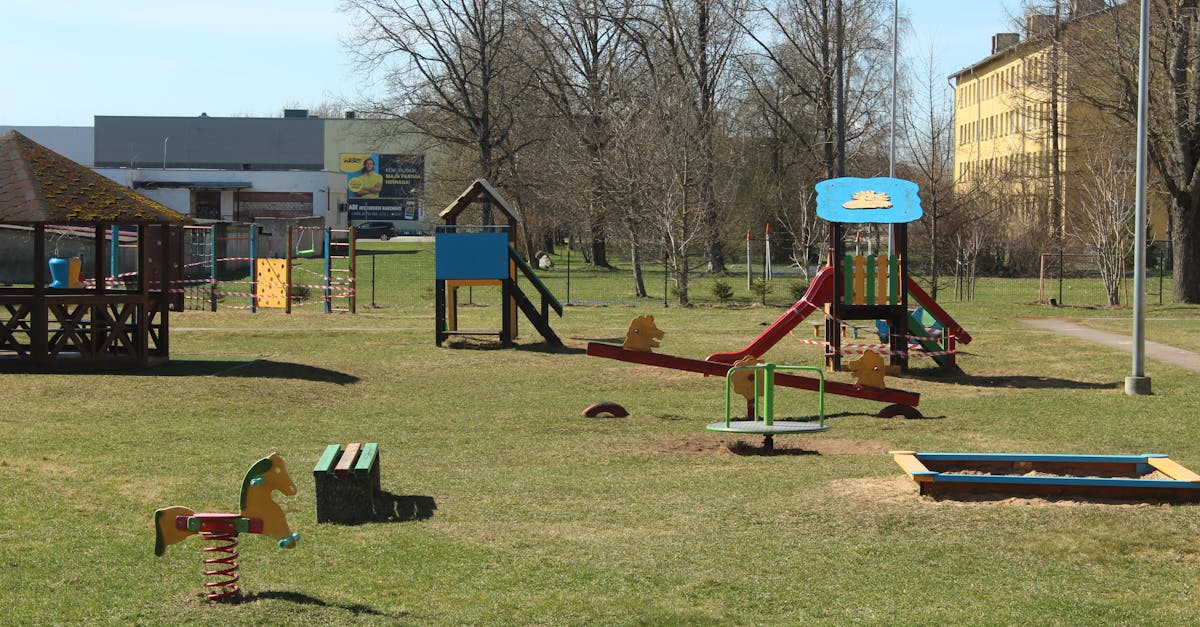
Finland's Natural Playground Revolution
Finland, a country renowned for its forward-thinking approach to education and childcare, has been at the forefront of a revolutionary new approach to playground design. In a bid to increase children's exposure to environmental microbes, Finnish researchers and policymakers have been replacing traditional artificial playground surfaces with natural elements like mud, soil, and wood. The results, while still in the early stages, have been nothing short of astonishing, with children who play in these natural environments showing improved immune systems, reduced symptoms of allergies and asthma, and even enhanced cognitive development.
The idea behind this radical new approach is rooted in the concept of the 'hygiene hypothesis', which suggests that our modern, ultra-clean environments are actually doing more harm than good when it comes to our health. By exposing children to a diverse range of environmental microbes, the Finns hope to 're-wild' their immune systems, making them more resilient and better equipped to cope with the challenges of the modern world. And it's not just about the physical benefits – research has also shown that playing in natural environments can have a profound impact on children's mental health and wellbeing, reducing stress and anxiety while promoting creativity and imagination.
So, how exactly do these natural playgrounds work? The key is to create an environment that is as diverse and dynamic as possible, with a range of different textures, smells, and sensations to explore. This might include mud pits, wooden climbing frames, and gardens filled with a variety of plants and flowers. The idea is to encourage children to get their hands dirty, to explore and experiment, and to develop a deep and abiding connection with the natural world. And it's not just about the equipment – the Finns are also placing a strong emphasis on 'risky play', allowing children to take calculated risks and challenge themselves in a safe and supportive environment.
One of the most striking things about Finland's natural playground revolution is the way it's bringing communities together. Parents and caregivers are being encouraged to get involved, to help design and build the playgrounds, and to participate in activities and events that promote a sense of connection and belonging. This is not just about creating a new type of playground – it's about building a whole new culture around childhood, one that values exploration, creativity, and a deep connection with the natural world. As Dr. Marjut Wallenius, a leading Finnish researcher in the field, notes, 'we're not just talking about playgrounds – we're talking about a way of life'.
Of course, there are also challenges to be overcome. One of the main concerns is safety – how do you ensure that children are protected from harm in an environment that is, by its very nature, unpredictable and unstructured? The Finns have responded to this challenge by developing a range of innovative safety protocols, from soft landing surfaces to careful risk assessments. And while there are undoubtedly costs associated with building and maintaining these natural playgrounds, the long-term benefits to children's health and wellbeing are likely to far outweigh the expenses.
So, what can other countries learn from Finland's natural playground revolution? Here are a few key takeaways:
- Emphasize diversity and complexity in playground design, incorporating a range of different textures, smells, and sensations
- Prioritize 'risky play', allowing children to take calculated risks and challenge themselves in a safe and supportive environment
- Encourage community involvement, with parents and caregivers playing an active role in designing and building playgrounds
- Focus on the long-term benefits, recognizing that the costs of building and maintaining natural playgrounds are likely to be outweighed by the benefits to children's health and wellbeing