Hantavirus Outbreak On Cruise Ship
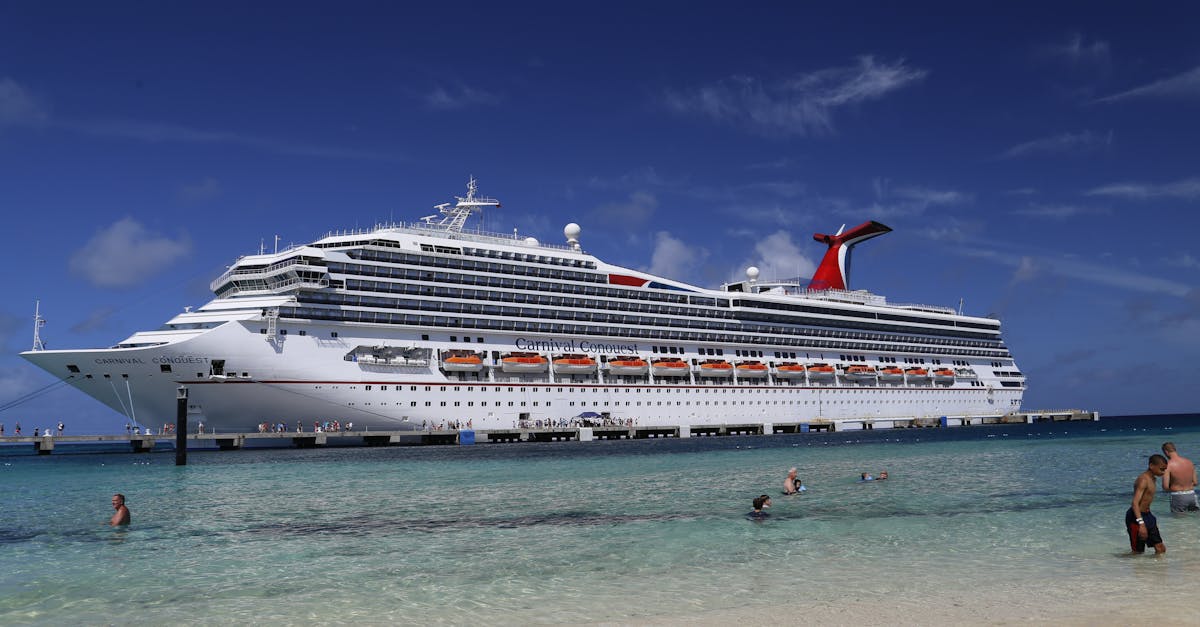
A recent outbreak of hantavirus on a cruise ship has raised concerns about the spread of the disease, with three patients being flown to the Netherlands for treatment. The ship, which is currently off the coast of Cape Verde, has been at the center of a deadly outbreak that has already claimed several lives.
The World Health Organization (WHO) has reported eight cases of hantavirus on the ship, with the three patients being evacuated to Europe being the most severe. The WHO has been working closely with local health authorities to contain the outbreak and prevent further spread of the disease.
Hantavirus is a rare but potentially deadly disease that is spread through contact with infected rodents or their droppings. It can cause a range of symptoms, including fever, headache, and muscle pain, and can be fatal if left untreated. The disease is typically found in rural areas, but the outbreak on the cruise ship highlights the potential for it to spread to other areas.
The cruise ship, which has not been named, has been quarantined off the coast of Cape Verde, with all passengers and crew members being monitored for symptoms of the disease. The WHO has sent a team of experts to the ship to help contain the outbreak and provide support to local health authorities.
The evacuation of the three patients to the Netherlands is a significant development in the outbreak, as it highlights the severity of the situation and the need for specialized treatment. The patients will be treated at a hospital in the Netherlands that has experience in dealing with hantavirus cases.
The outbreak on the cruise ship has also raised concerns about the spread of the disease to other areas. The WHO has warned that the disease could spread to other parts of the world, particularly in areas with poor sanitation and hygiene. The organization has called for increased vigilance and monitoring of the disease, particularly in areas with high-risk populations.
In addition to the outbreak on the cruise ship, there have been several other cases of hantavirus reported in recent months. The disease has been reported in several countries, including the United States, Canada, and South America. The WHO has warned that the disease is a significant public health concern and has called for increased efforts to prevent its spread.
To prevent the spread of hantavirus, the WHO recommends avoiding contact with rodents and their droppings, washing hands frequently, and avoiding touching the face. The organization also recommends wearing protective clothing, including gloves and masks, when handling rodents or their droppings.
In terms of treatment, the WHO recommends prompt medical attention if symptoms of the disease occur. The organization also recommends the use of antiviral medications, such as ribavirin, to treat the disease. In severe cases, hospitalization may be necessary to provide supportive care and manage complications.
The outbreak on the cruise ship has also highlighted the need for increased awareness and education about hantavirus. The WHO has called for increased efforts to educate the public about the disease, its symptoms, and how to prevent its spread. The organization has also recommended that healthcare workers be trained to recognize and treat the disease.
In conclusion, the outbreak of hantavirus on the cruise ship is a significant public health concern that requires prompt attention and action. The WHO has warned that the disease could spread to other areas, particularly in areas with poor sanitation and hygiene. Increased vigilance, monitoring, and education are necessary to prevent the spread of the disease and protect public health.
Some of the key facts about hantavirus include:
- The disease is spread through contact with infected rodents or their droppings
- Symptoms include fever, headache, and muscle pain
- The disease can be fatal if left untreated
- Prompt medical attention is necessary if symptoms occur
- Antiviral medications, such as ribavirin, can be used to treat the disease