Hantavirus Exposure Fears in Maryland
A recent incident in Maryland has highlighted the importance of vigilance when it comes to rare but potentially deadly diseases. Two residents of the state are being monitored for potential exposure to hantavirus, a viral disease that can be transmitted to humans through contact with infected rodents or their droppings.
The Maryland Department of Health has confirmed that the two individuals are being closely watched for signs of the disease, which can range from mild to severe. Hantavirus is typically associated with a fever, headache, and muscle aches, but in severe cases, it can lead to a condition known as hantavirus pulmonary syndrome (HPS), which can be fatal.
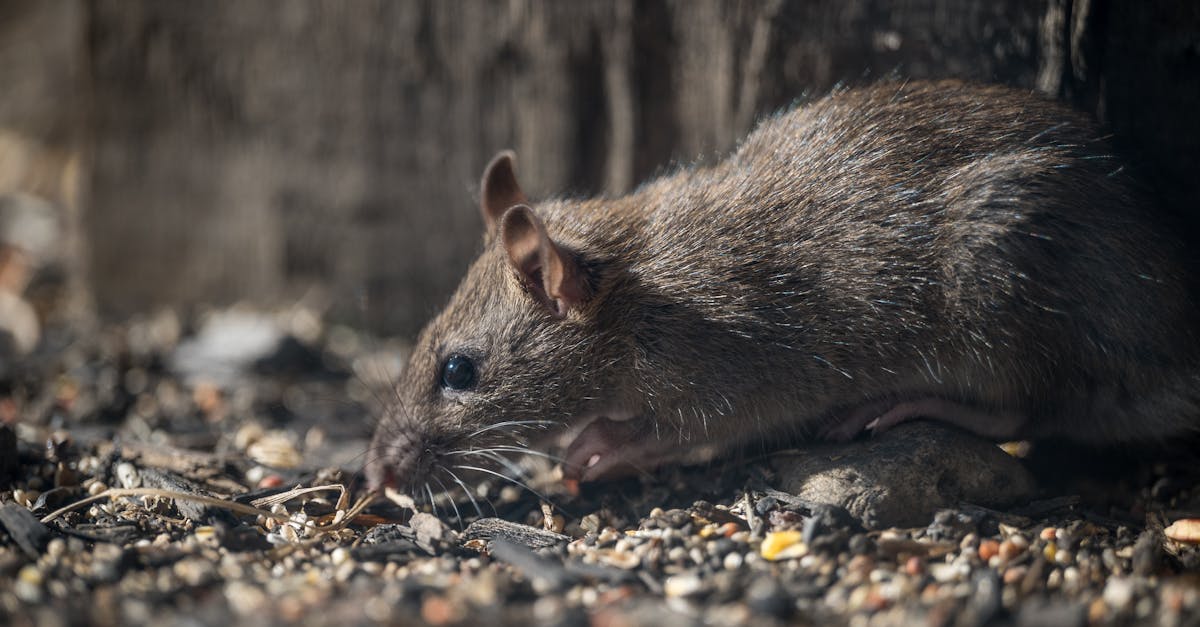
The risk of hantavirus transmission is generally low, but it can occur when people come into contact with infected rodents or their droppings, particularly in areas where the rodents are common. Rodent control is a critical aspect of preventing the spread of the disease, and health officials are urging residents to take precautions to minimize their risk of exposure.
According to the Centers for Disease Control and Prevention (CDC), hantavirus is typically found in wild rodents, such as deer mice, white-footed mice, and cotton rats. The virus can be transmitted to humans through contact with the rodents' droppings, urine, or saliva, as well as through contact with contaminated food, water, or surfaces.
There are several steps that people can take to reduce their risk of hantavirus exposure, including sealing entry points to prevent rodents from entering their homes, cleaning up rodent droppings safely, and avoiding contact with wild rodents. Additionally, people can reduce their risk of exposure by wearing protective gear, such as gloves and a mask, when handling or cleaning up after rodents.
Health officials are working to determine the extent of the exposure and prevent further cases. The Maryland Department of Health is also providing guidance and support to the individuals who are being monitored, as well as to the broader community. Public awareness is a critical aspect of preventing the spread of hantavirus, and health officials are urging residents to take the necessary precautions to protect themselves and their loved ones.
In addition to the individual cases, the incident has also highlighted the importance of community-wide efforts to prevent the spread of hantavirus. This includes education and outreach to inform people about the risks of the disease and the steps they can take to protect themselves, as well as collaboration between health officials, residents, and other stakeholders to prevent the spread of the disease.
Some of the key ways to prevent hantavirus exposure include:
- Avoiding contact with wild rodents and their droppings
- Sealing entry points to prevent rodents from entering homes and buildings
- Cleaning up rodent droppings safely, using protective gear and disinfectants
- Wearing protective gear, such as gloves and a mask, when handling or cleaning up after rodents
- Avoiding touching or handling dead rodents
Overall, the incident in Maryland serves as a reminder of the importance of vigilance when it comes to rare but potentially deadly diseases like hantavirus. By taking the necessary precautions and working together, we can reduce the risk of exposure and prevent the spread of the disease.