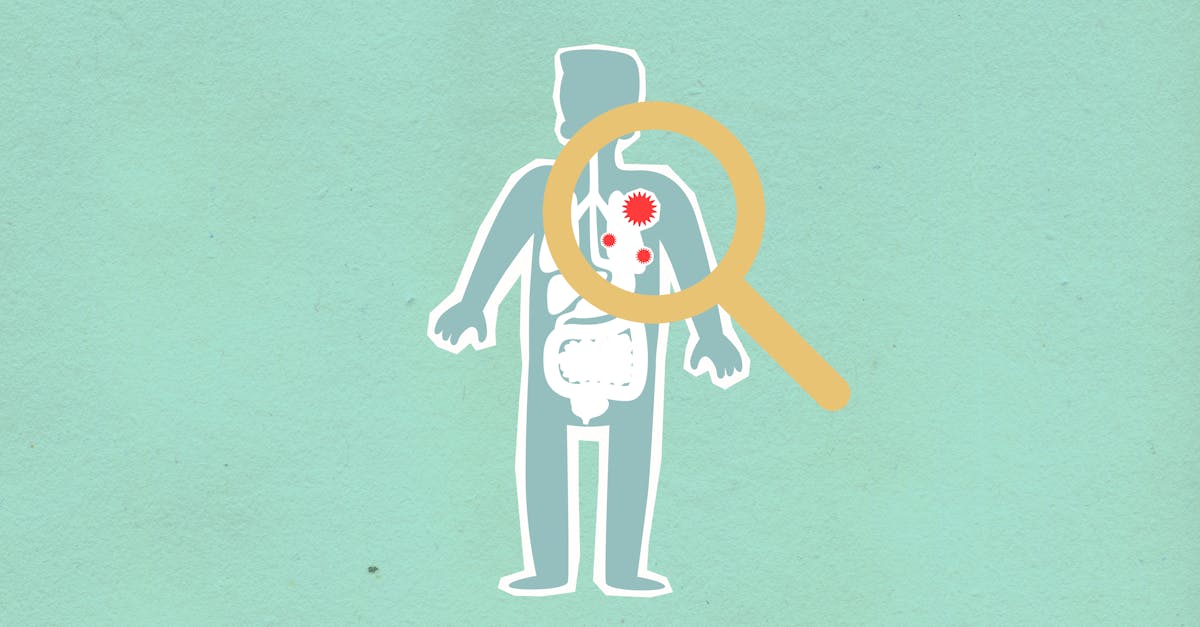
Ebola Outbreak Spreads in DR Congo
The latest Ebola outbreak in eastern DR Congo's Ituri province has raised alarm bells across the continent, with the death toll standing at 65 and a total of 246 cases reported. The virus has also made its way to neighboring Uganda, where one case has been confirmed, sparking fears of a wider epidemic.
The current outbreak is the second-largest in history, with the first case reported in August 2018. Despite efforts by health authorities to contain the spread, the virus has continued to claim lives, with many more at risk of infection. The World Health Organization (WHO) has warned that the outbreak is far from over, and that continued vigilance is needed to prevent further spread.
Africa's top health agency, the Africa Centres for Disease Control and Prevention (Africa CDC), has reported that the outbreak is primarily affecting the Ituri province, with the majority of cases reported in the region. However, the spread of the virus to Uganda has raised concerns that the outbreak could become a regional crisis. Health experts have warned that the virus could spread quickly across borders, given the high mobility of people in the region.
The Ebola virus is a highly infectious and deadly disease that can spread through contact with infected bodily fluids. Symptoms include fever, vomiting, and diarrhea, and can progress to more severe symptoms such as bleeding and organ failure. The virus has a high mortality rate, with an average case fatality rate of around 50%.
Health authorities have been working to contain the spread of the virus, with measures such as vaccination campaigns, contact tracing, and quarantine protocols in place. However, the outbreak has been complicated by insecurity in the region, with armed groups and militias operating in the area. This has made it difficult for health workers to access affected areas, and has raised concerns about the safety of responders.
The outbreak has also had a significant impact on the local economy, with trade and commerce grinding to a halt in affected areas. Food shortages have been reported, with many people struggling to access basic necessities such as food and water. The outbreak has also had a psychological impact on the local population, with many people living in fear of contracting the virus.
International organizations such as the WHO and the United Nations have been working to support the response efforts, with funding and resources being provided to support the response. However, more needs to be done to support the affected communities, with many people in need of assistance. The international community must come together to support the response efforts, and to ensure that the outbreak is brought under control as quickly as possible.
Some of the key challenges in responding to the outbreak include:
- limited access to affected areas due to insecurity
- limited resources and funding to support the response efforts
- difficulty in tracking and tracing contacts of infected individuals
- limited awareness and understanding of the virus among the local population
Despite these challenges, there is hope that the outbreak can be brought under control. With continued support from the international community, and with the efforts of health authorities and responders on the ground, it is possible to contain the spread of the virus and prevent further loss of life. The key is to continue to work together, and to support the affected communities in their time of need.